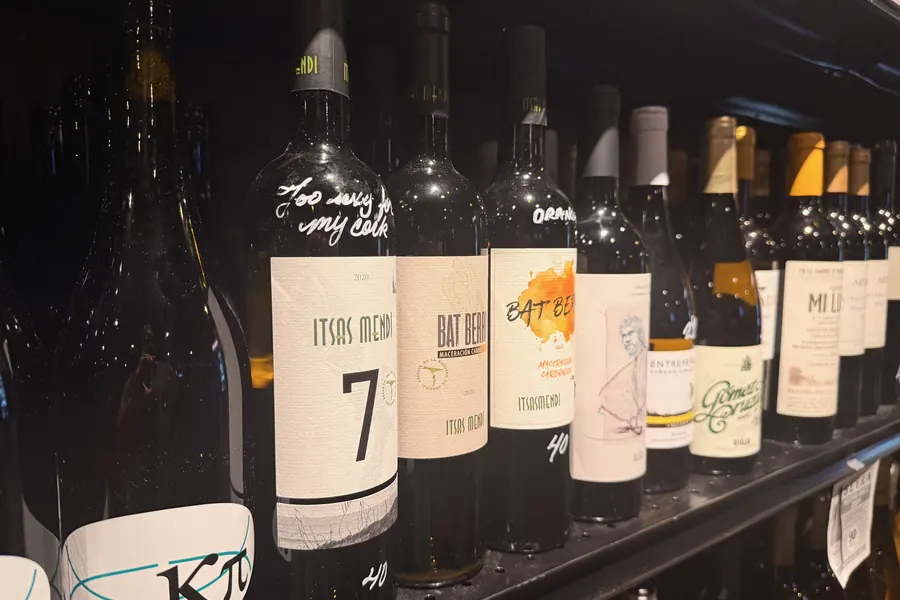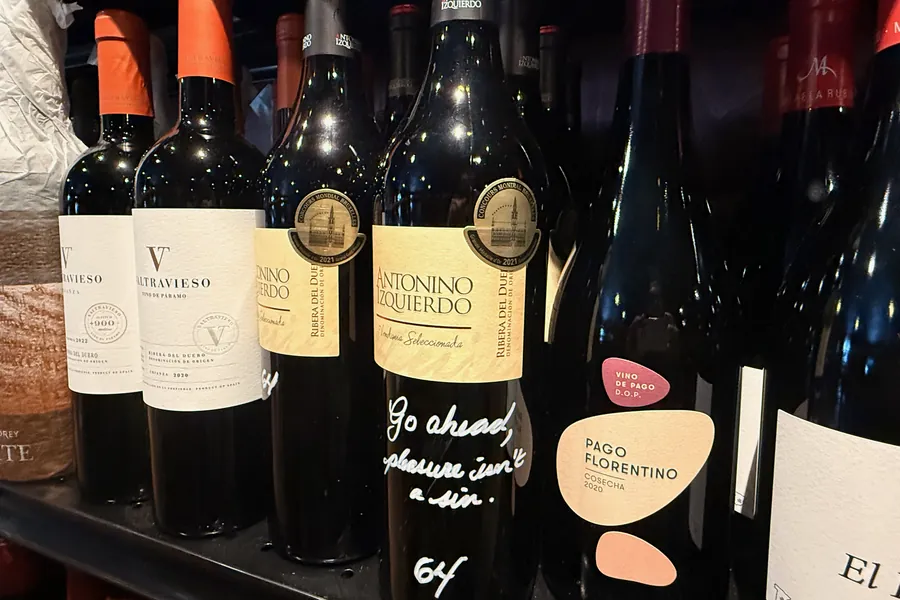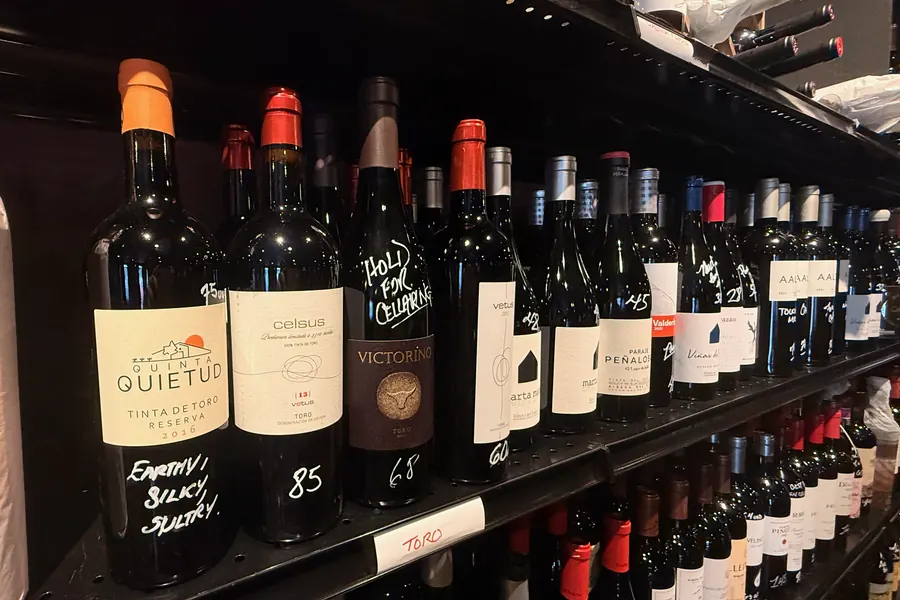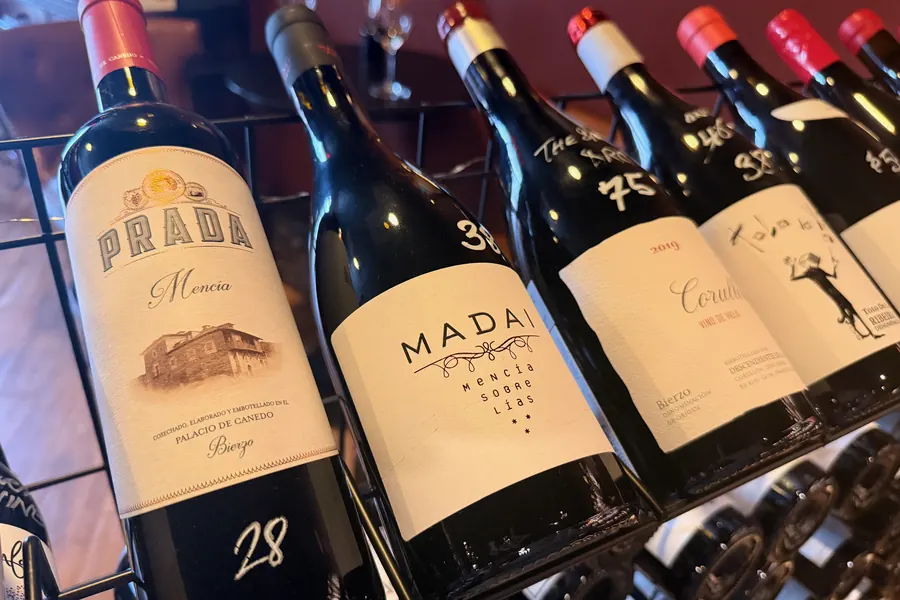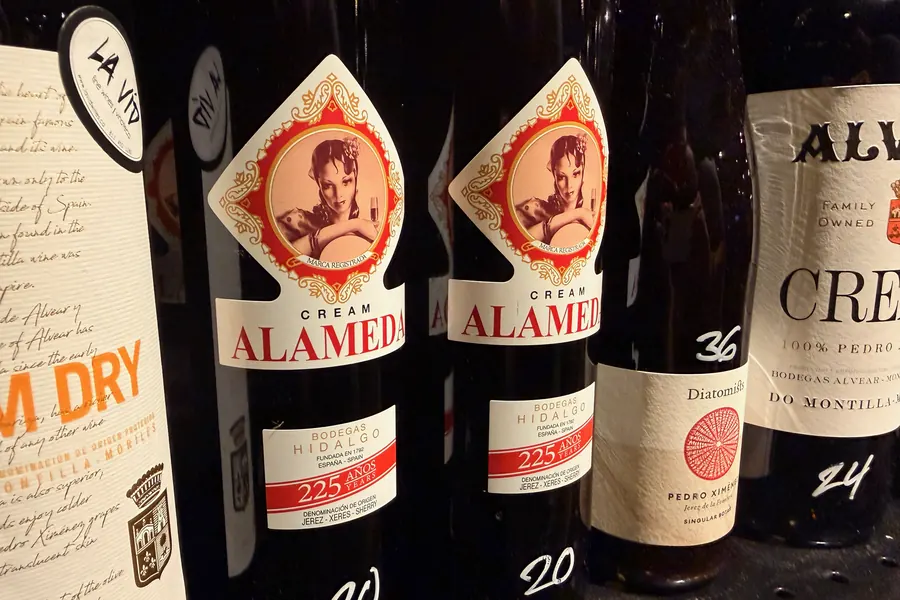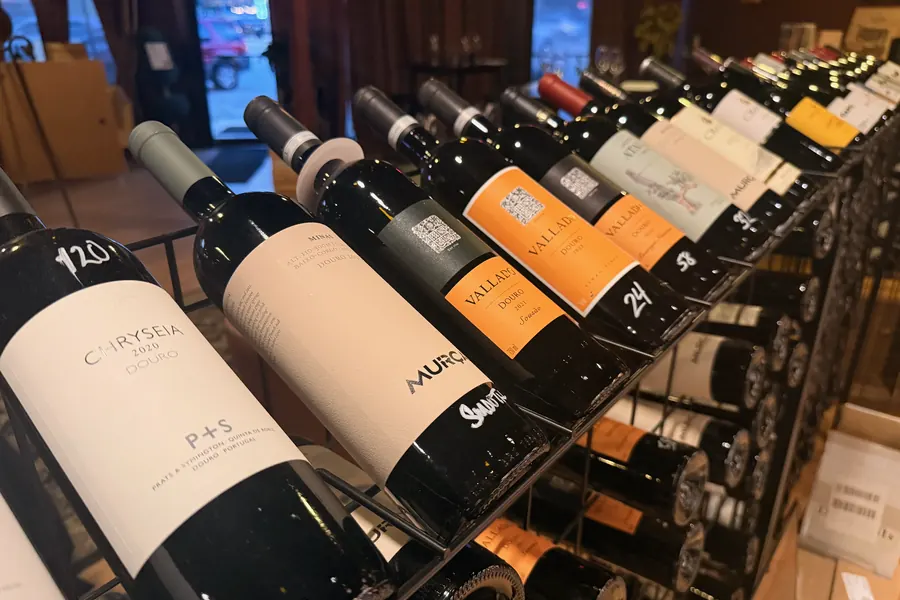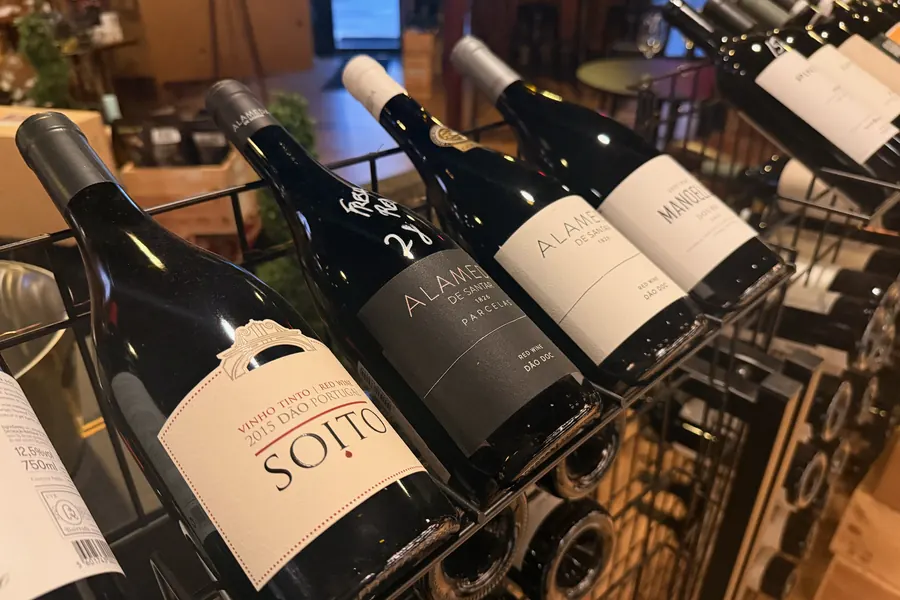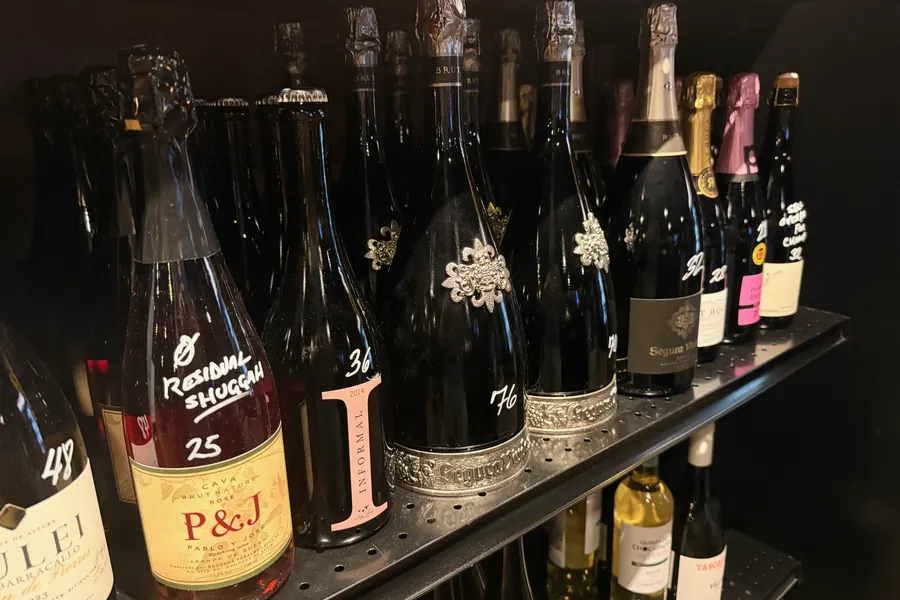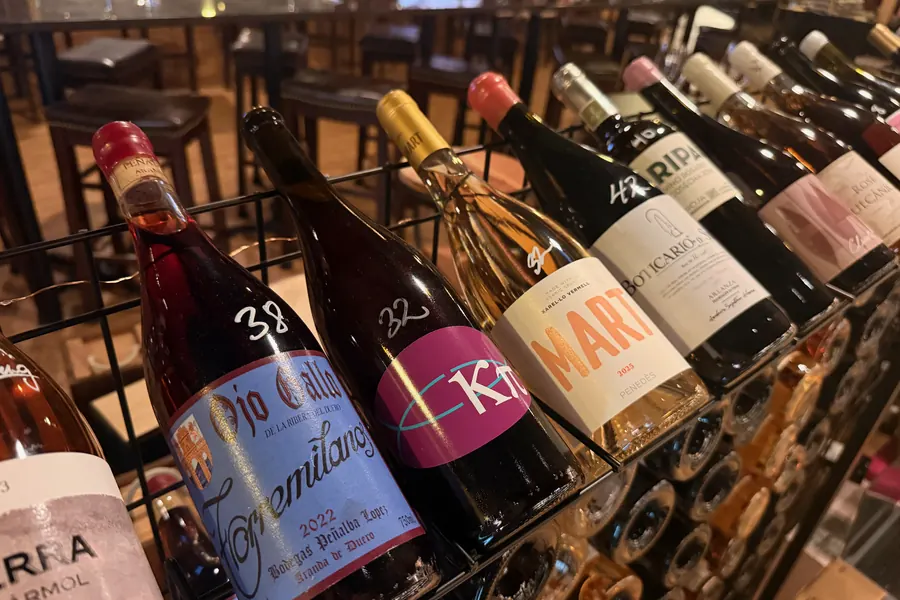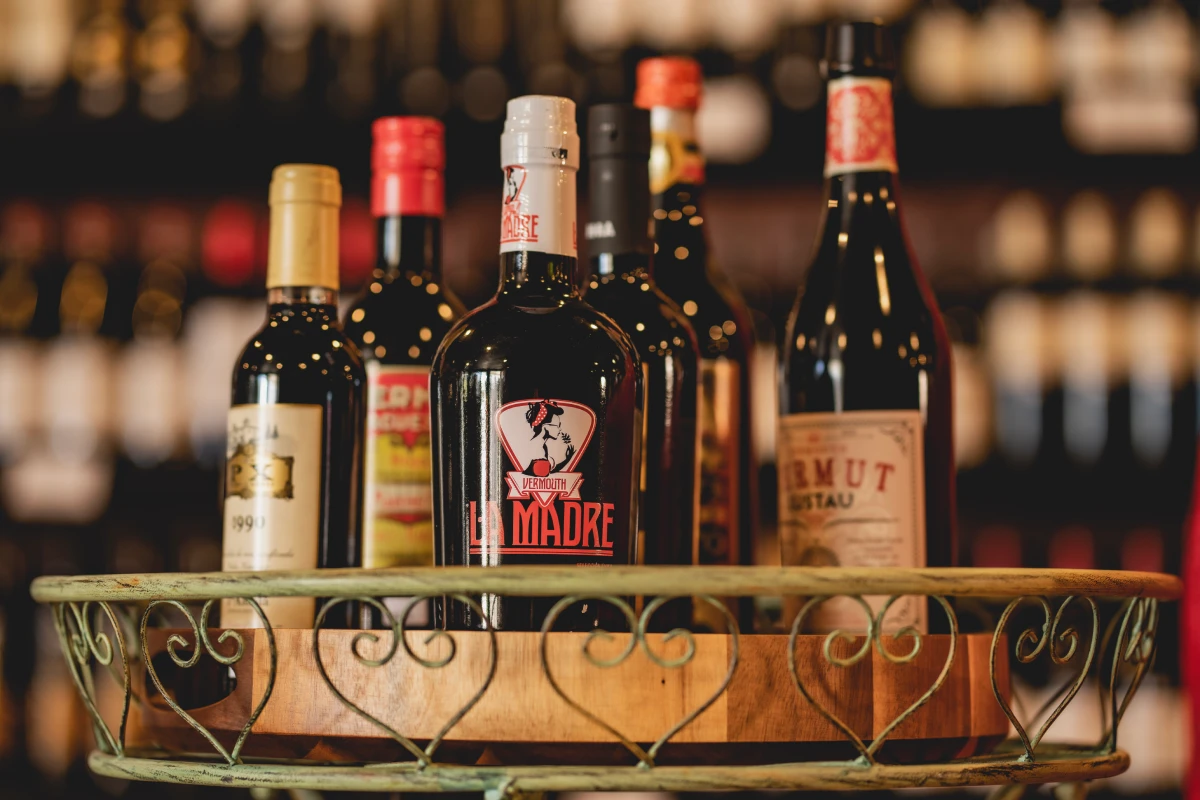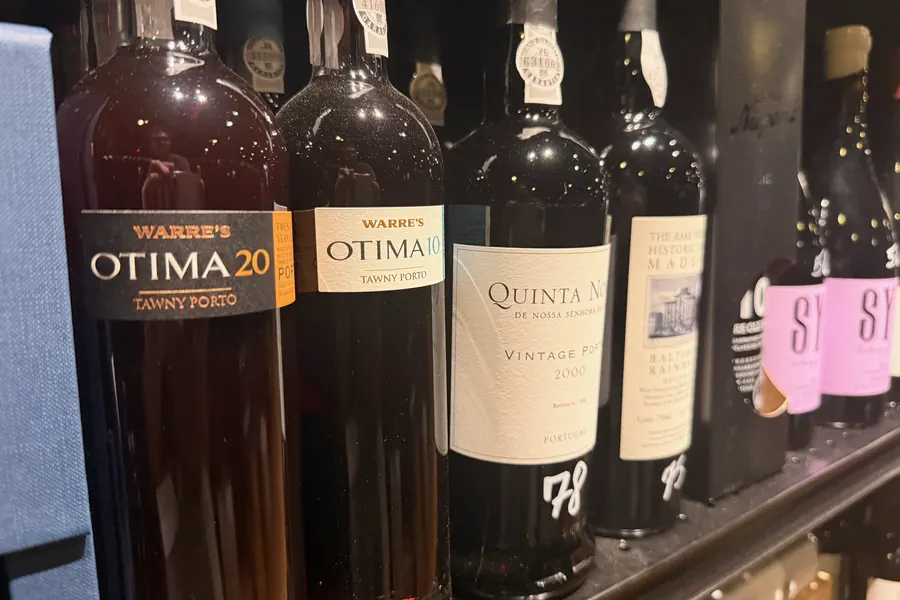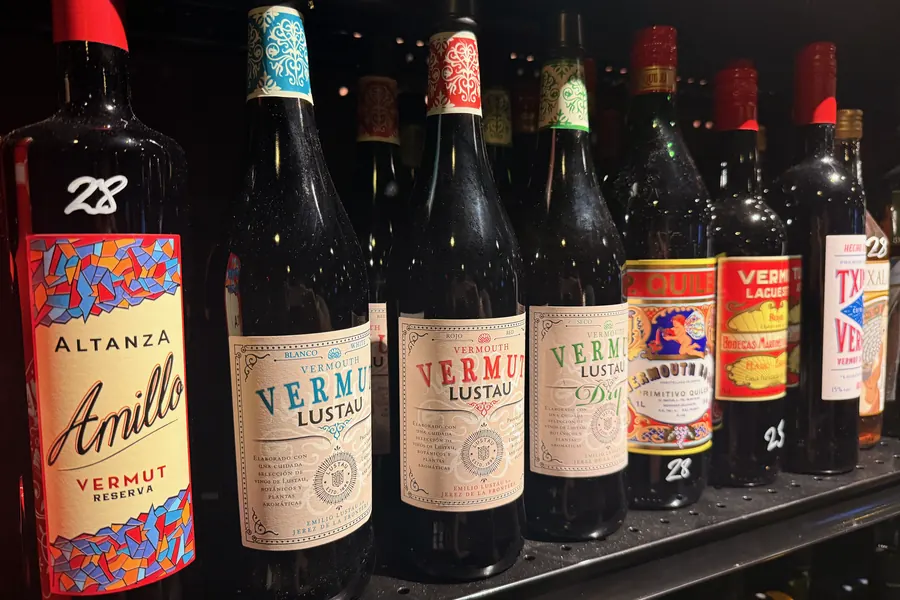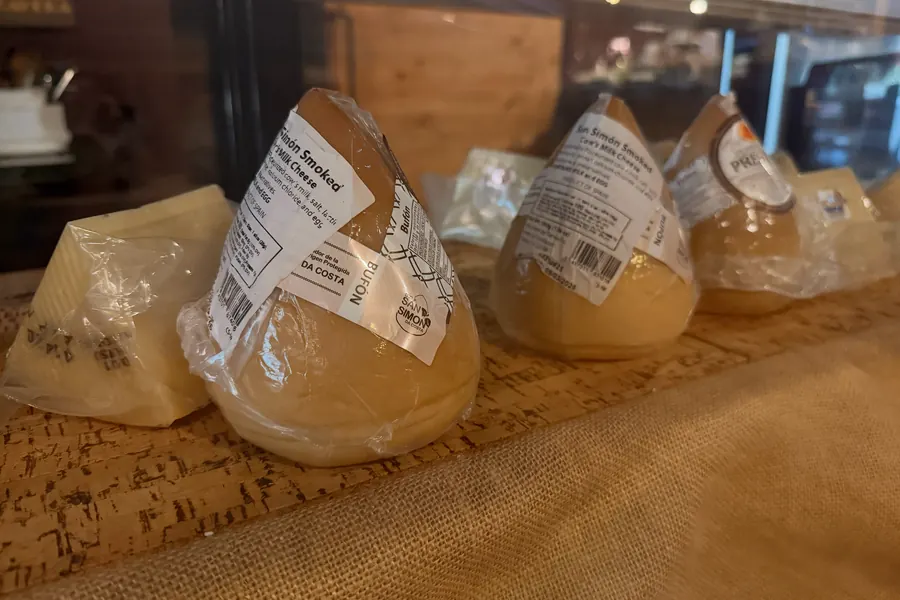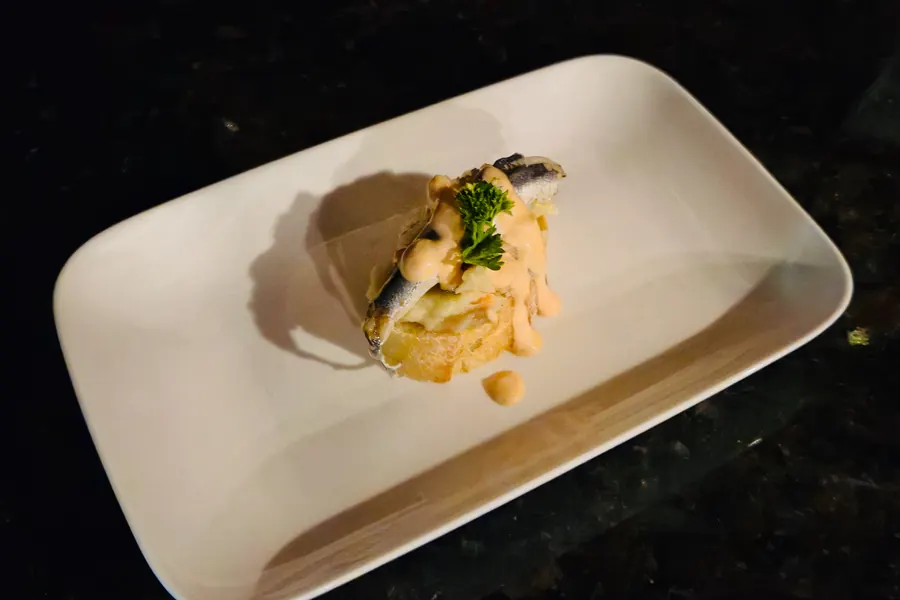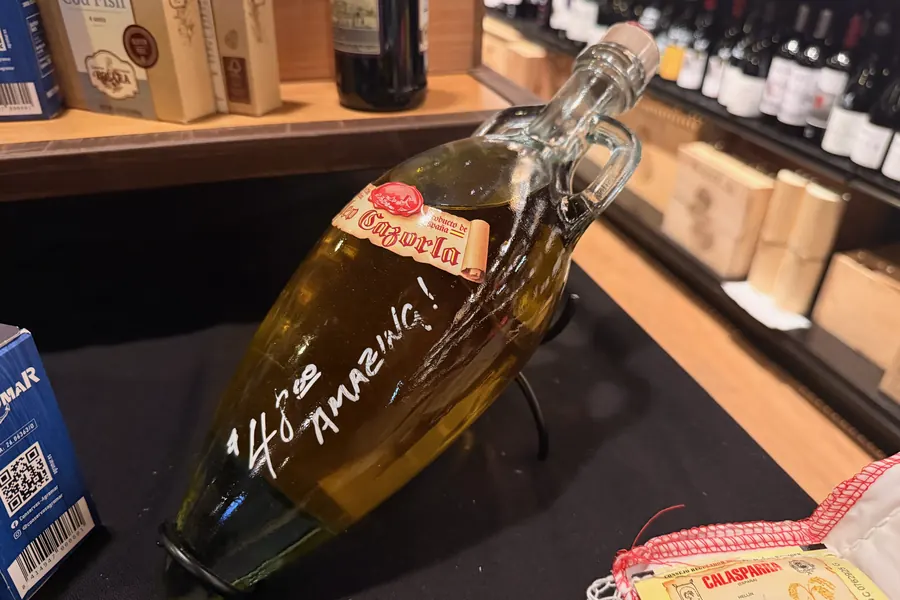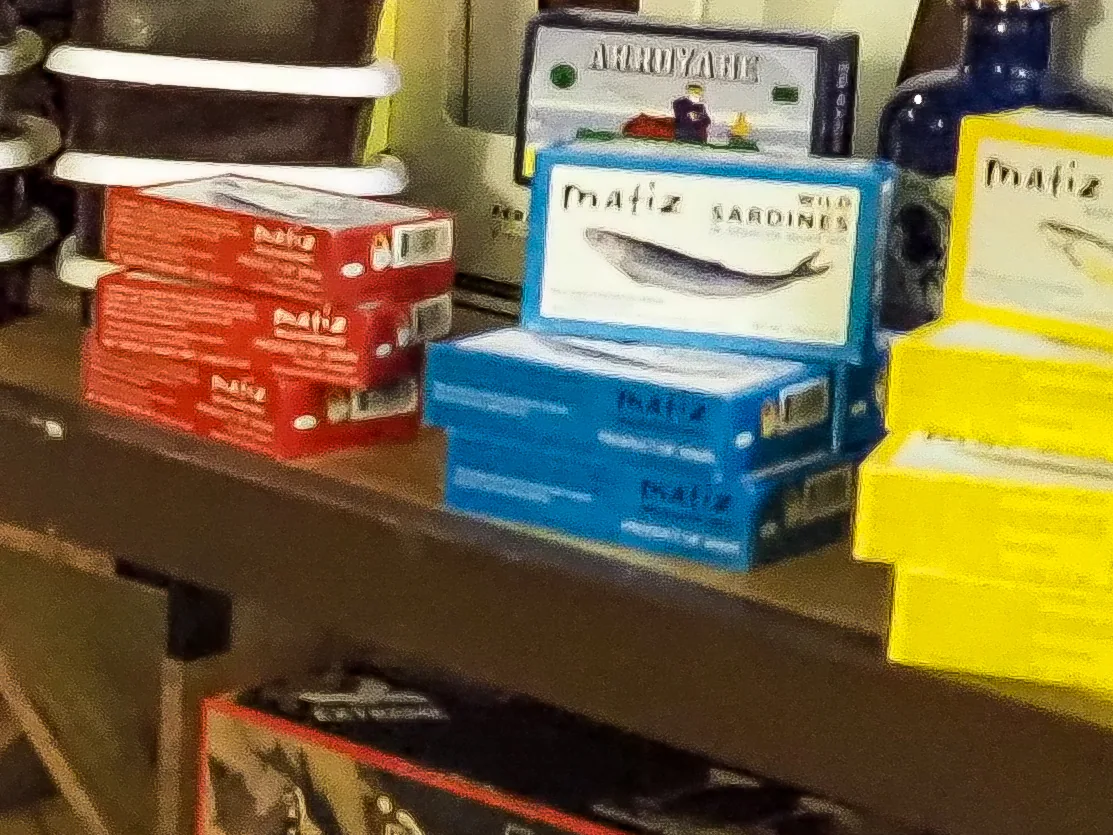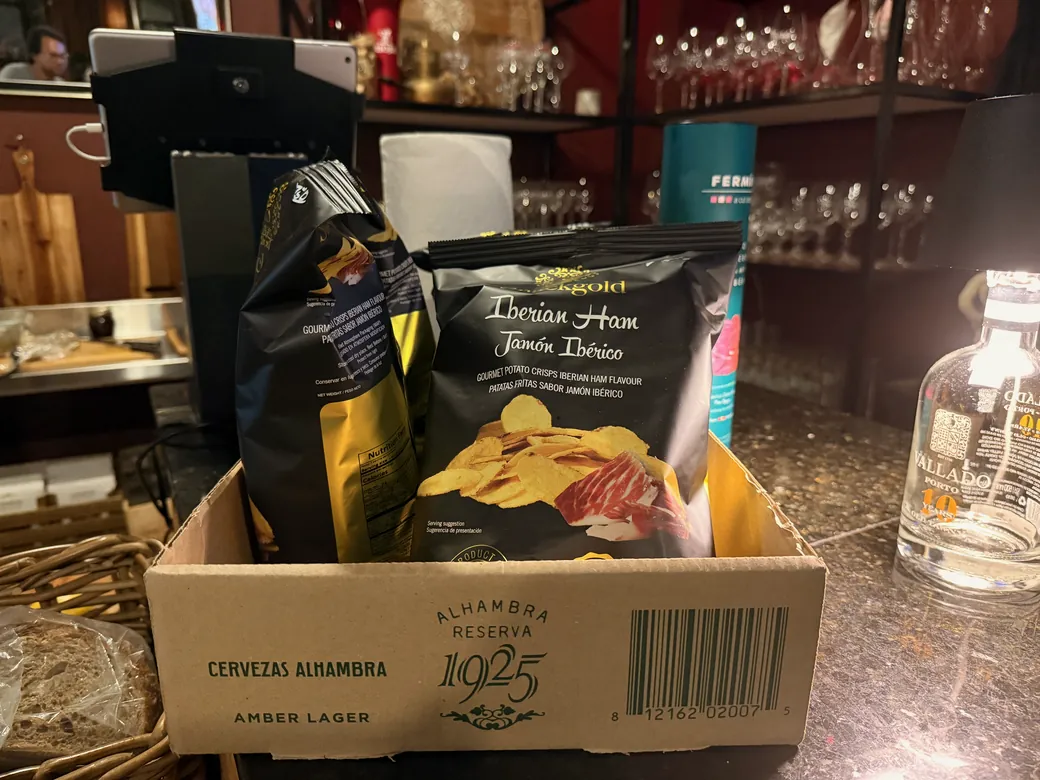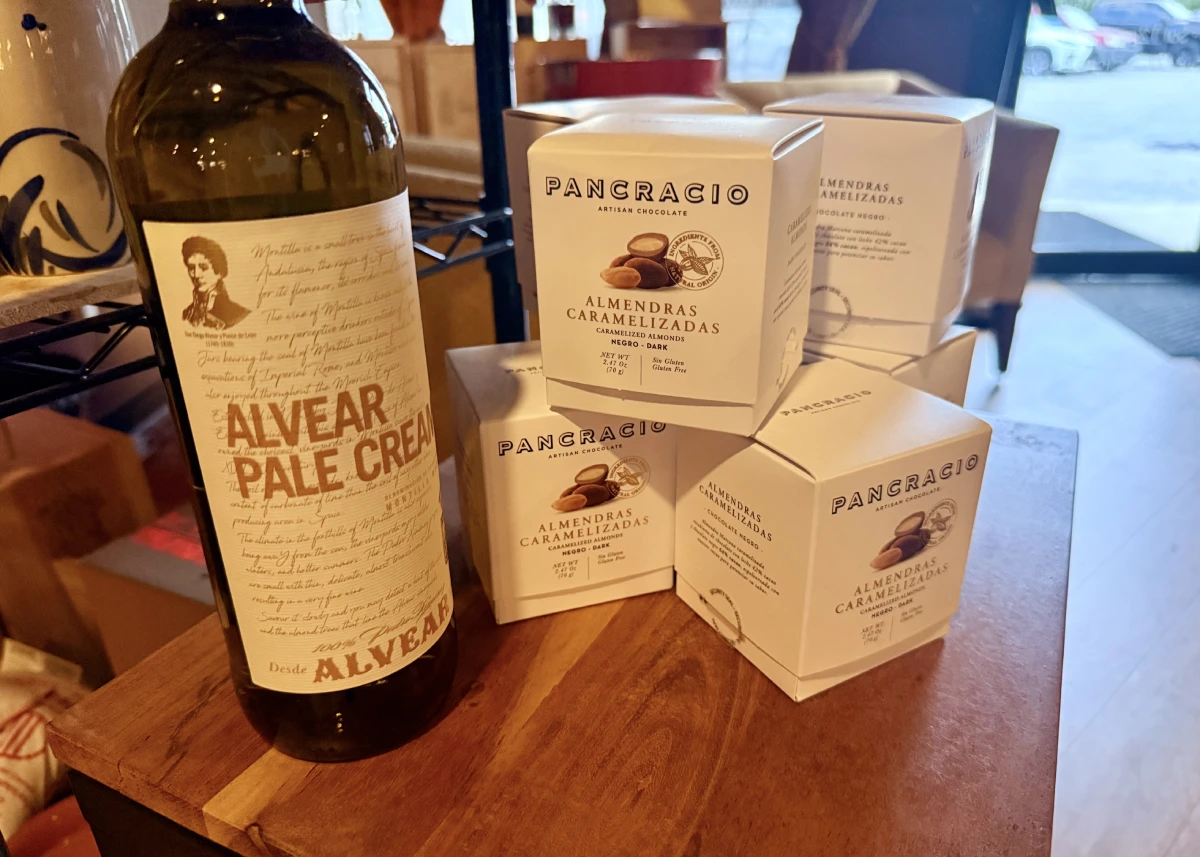
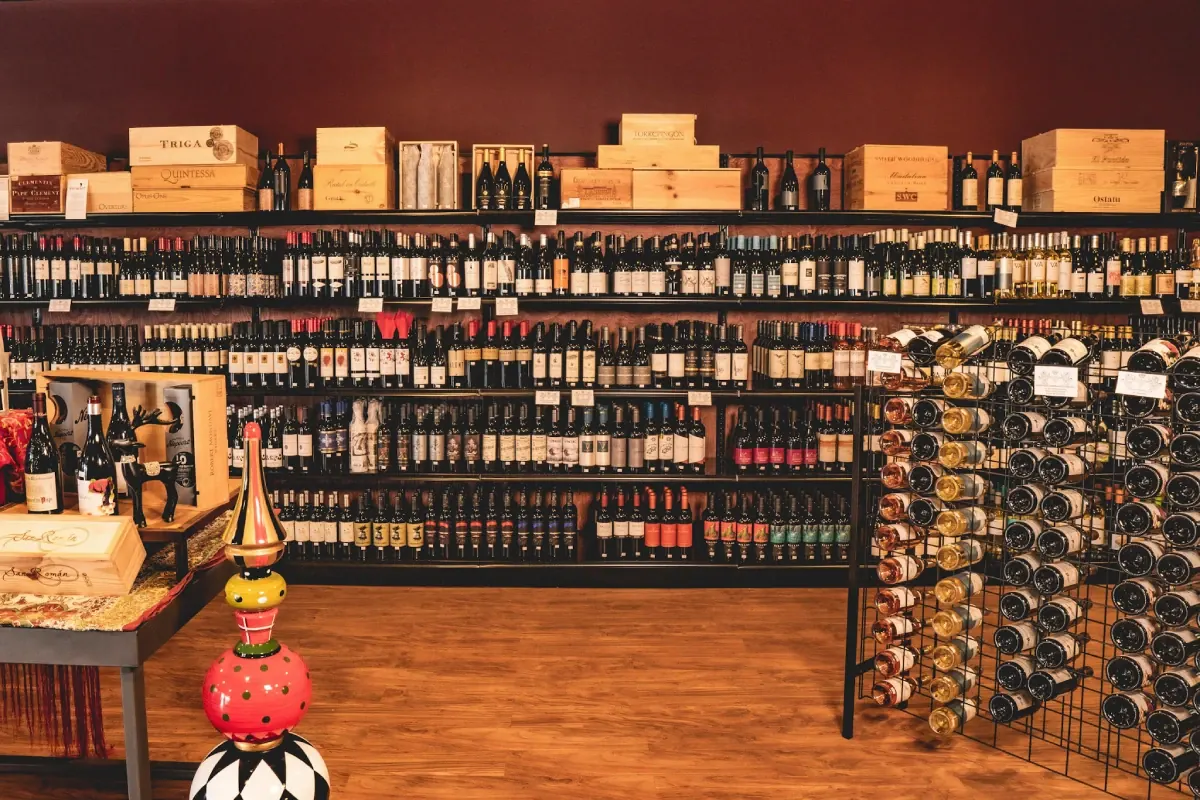
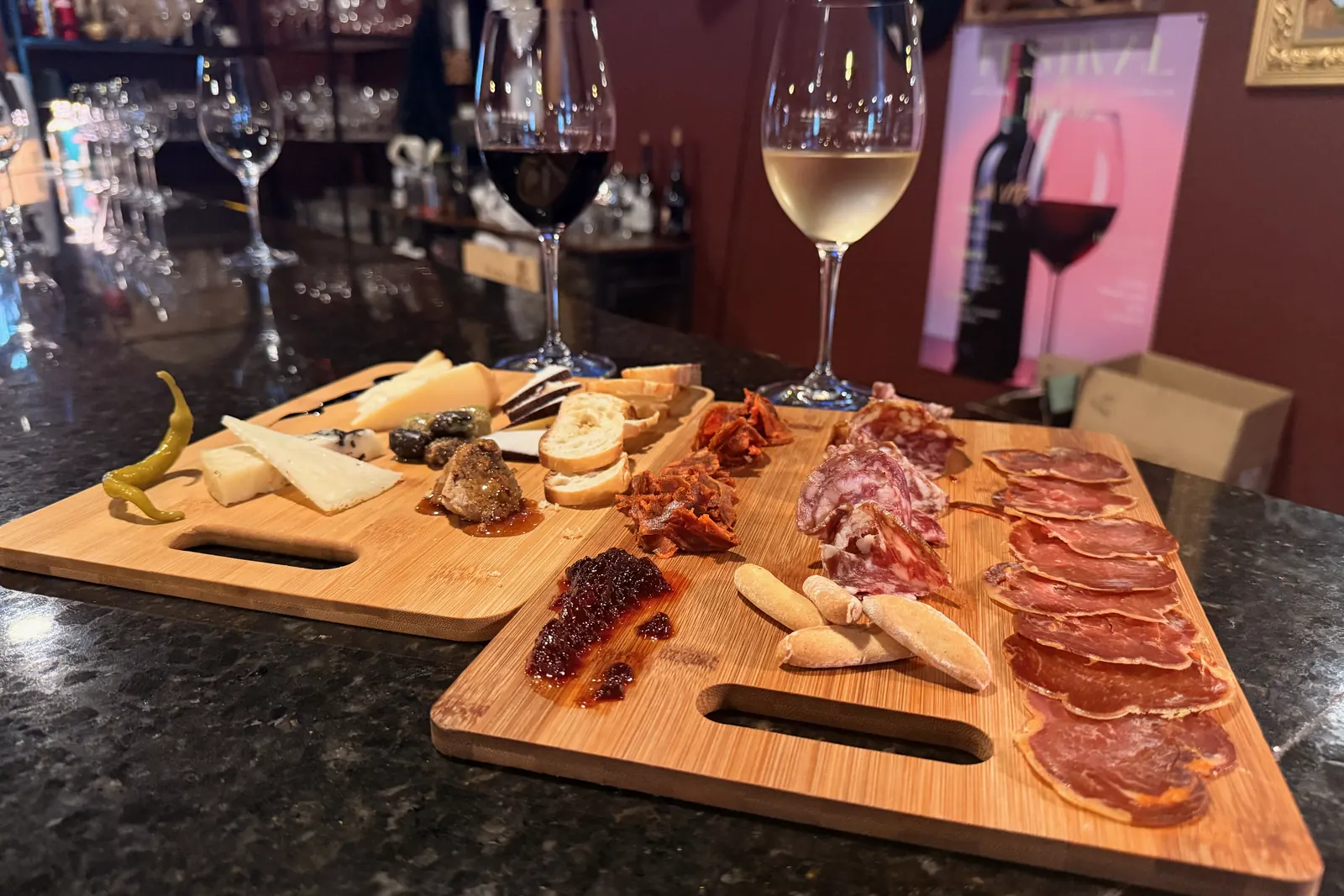

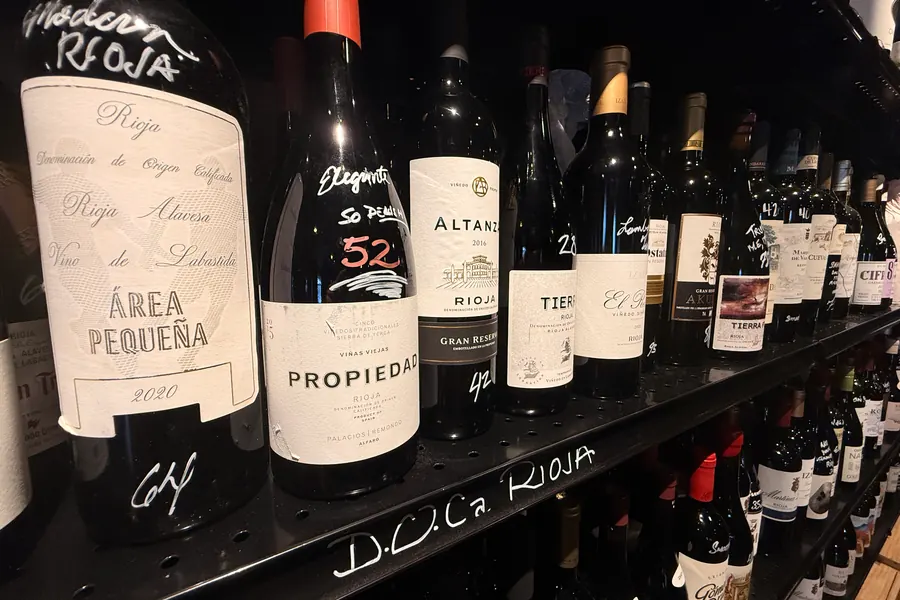
Every region here earns its place on La Vid's shelf, and the shelf runs well past this page. Start with the one-line hooks if you're new; open the profiles if you want the full picture. Then come in and taste.
See where they sit
Start here. Select a region to fly to it, islands included, then read its full profile
below.
Spain DOCa
Rioja
Polished, oak-aged reds from Spain’s most famous region, released when they are ready to drink.
More land under vine than any country on earth. These are the regions Victor pours most,
from the famous names to the volcanic islands, though they are nowhere near all of them.
DOCa
Rioja
Polished, oak-aged reds from Spain’s most famous region, released when they are ready to drink.
Red (majority) · White · Rosado (rosé) · Sparkling
More about Rioja
Rioja is Spain’s oldest Denomination of Origin (DO) and its first Qualified Denomination of Origin (DOCa), a prestigious region recognized around the world.
The majority of its output is red, though white, rosado (rosé), and sparkling wines are also produced. Rioja is known above all for its aging practices, guaranteed through rigorous labeling requirements: Crianza, Reserva, and Gran Reserva each promise a minimum time in barrel and bottle.
Tempranillo, Garnacha, Mazuelo, and Graciano are the red varietals of the region, while Viura and Garnacha Blanca are the most prominent whites.
Bracing, saline, faintly spritzy whites from the green Atlantic coast, poured from a height.
Key grapes
Hondarrabi Zuri, Hondarrabi Beltza, Petit Courbu, Izkiriota (Gros Manseng)
Styles
White (majority) · Rosado (txakoli gorri) · Red (small production)
More about Basque (Txakolí)
Txakolí (txakolina in Basque) is the wine of the Basque Country: low in alcohol, high in acid, faintly effervescent, and traditionally poured from a height to wake the bubbles up. It is the local answer to a plate of pintxos and a warm afternoon.
Three separate denominations share the name. Getariako Txakolina, on the coast at Getaria, is the oldest and best known, and its vines are trained high on trellises within sight of the sea. Bizkaiko Txakolina spreads inland around Bilbao across a patchwork of small growers. Arabako Txakolina, in the Ayala valley of Álava, sits furthest south and inland, and makes the roundest, ripest wines of the three.
Hondarrabi Zuri drives the whites, with Petit Courbu and Izkiriota in support; the dark-skinned Hondarrabi Beltza makes the pink txakoli gorri and small quantities of red.
Serious, full-bodied Tempranillo reds with the structure to age for years. Now gaining ground with their whites.
Key grapes
Tempranillo (Tinto Fino), Cabernet Sauvignon, Merlot, Garnacha, Albillo Mayor
Styles
Red · Rosado (rosé) · White (in exclusive amounts)
More about Ribera del Duero
This region sits on the banks of the Duero River at the northern end of the Meseta, Spain’s expansive central plateau.
Ribera del Duero has come to prominence in the last twenty years, building its reputation on serious, full-bodied reds with a structure that lets the wines improve for years to come.
Tempranillo, known locally as Tinto Fino, leads, with Cabernet Sauvignon, Merlot, and Garnacha permitted alongside it. The newer story is white: Albillo Mayor was only approved for varietal whites in 2019, and the tiny quantities made since have been gaining ground fast.
Tempranillo turned up loud: dark, powerful, high-altitude reds from old bush vines.
Key grapes
Tinta de Toro (Tempranillo), Garnacha, Malvasía, Verdejo
Styles
Red · Rosado (rosé) · White
More about Toro
Toro sits further west along the Duero, on a dry, sun-hammered plateau where the local strain of Tempranillo, called Tinta de Toro, ripens to something far denser and darker than it does in Rioja.
Many of the vineyards are old, low bush vines on sandy soils that phylloxera never fully took, and yields are tiny. The wines are inky, structured, and unapologetically big; a bottle from Toro is not a wine to sip absent-mindedly.
DO
Bierzo
Perfumed, lighter-framed Mencía reds from a green mountain basin in León.
Key grapes
Mencía, Godello, Doña Blanca, Alicante Bouschet
Styles
Red · White · Rosado (rosé)
More about Bierzo
Bierzo is a sheltered basin in the northwest of Castilla y León, where the dry Meseta gives way to the wet, green hills leading into Galicia. That meeting of climates is the whole point: enough sun to ripen, enough Atlantic influence to keep the wines fresh.
Mencía is the signature grape, floral and red-fruited with a graphite edge, built on freshness rather than weight. Godello leads the whites. The region is full of steep, old, small parcels, and the best bottles are increasingly labeled by village and vineyard.
DOCa
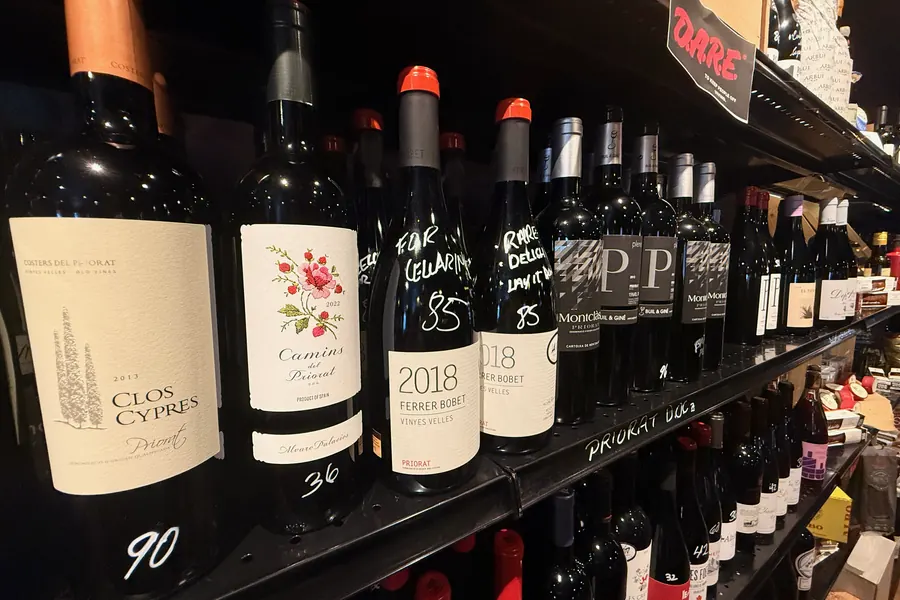
Priorat
Intense, mineral, long-lived reds grown in black slate at altitude.
Key grapes
Garnacha, Cariñena, Syrah, Cabernet Sauvignon
Styles
Red · White (small production)
More about Priorat
Spain’s second DOCa, specializing in blends based on Garnacha and Cariñena alongside French varieties such as Syrah and Cabernet Sauvignon.
Priorat is renowned for its slate and quartz soils, known in Catalan as llicorella, with vineyards ranging from roughly 985 to 2,300 feet above sea level. The region has built a reputation for serious, long-lived wines.
DO
Montsant
Priorat’s neighbor in a horseshoe around it: the same grapes, more generosity, less money.
Montsant almost entirely encircles Priorat, and grows the same Garnacha and Cariñena on a more varied mix of granite, limestone, and clay rather than pure slate.
The wines tend to be a touch softer and more open than their famous neighbor, and they arrive at a fraction of the price. For anyone curious about Priorat, this is the honest place to start.
DO
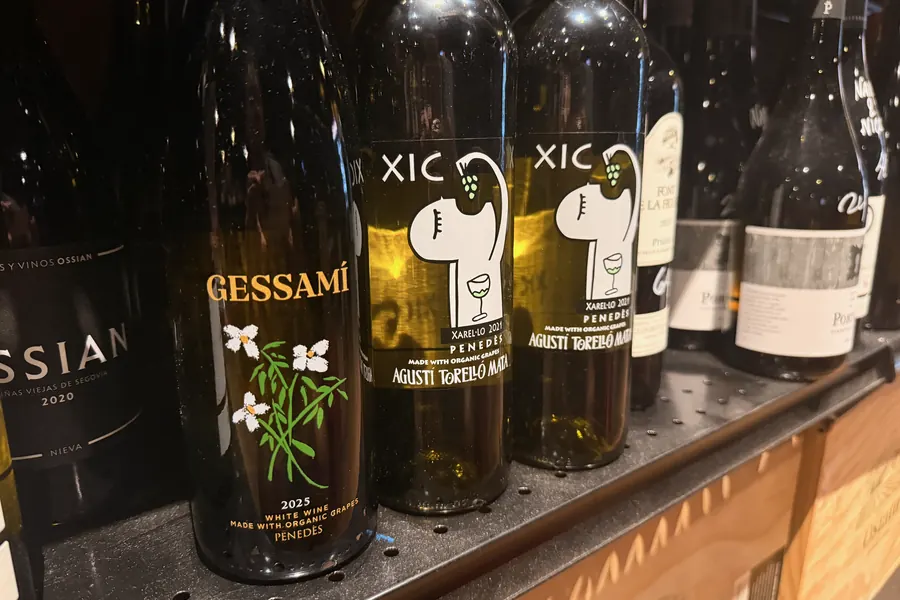
Penedès
Catalonia’s workshop of white and sparkling wine, and where most Cava is actually made.
Key grapes
Macabeo, Xarel·lo, Parellada, Chardonnay, Garnacha, Ull de Llebre (Tempranillo)
Styles
Sparkling (Cava) · White · Red · Rosado (rosé)
More about Penedès
Penedès runs from the Mediterranean coast up into the hills behind Barcelona, spanning enough altitudes to make almost everything: crisp whites, serious reds, and above all sparkling wine.
Cava is a method and a denomination rather than a place, but the overwhelming majority of it comes from here, most of it from the town of Sant Sadurní d’Anoia. The classic trio of Macabeo, Xarel·lo, and Parellada is bottle-fermented exactly as Champagne is; Xarel·lo in particular is worth learning by name.
DO
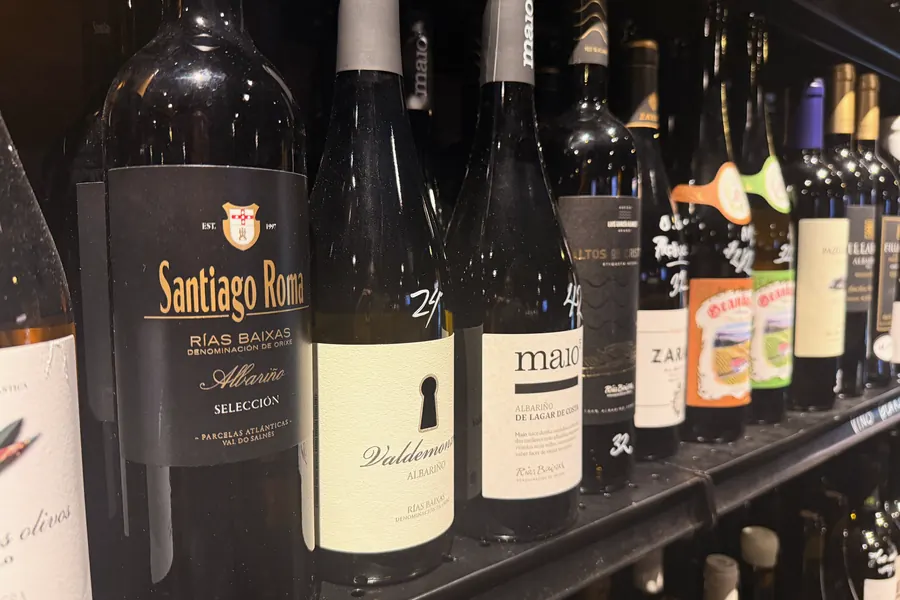
Rías Baixas
Fresh, clean Atlantic whites; Albariño with citrus and stone fruit.
Key grapes
Albariño, Godello, Loureiro
Styles
White (over 99% of production)
More about Rías Baixas
A wine region in Galicia focused almost entirely on white wines from indigenous varieties, which account for over 99% of output. The taste is fresh and clean, with citrus and stone fruit nuances.
The region is subdivided into five subregions, each with its own character. Albariño is the star of the show, followed by Godello, Loureiro, and other local grapes.
DO
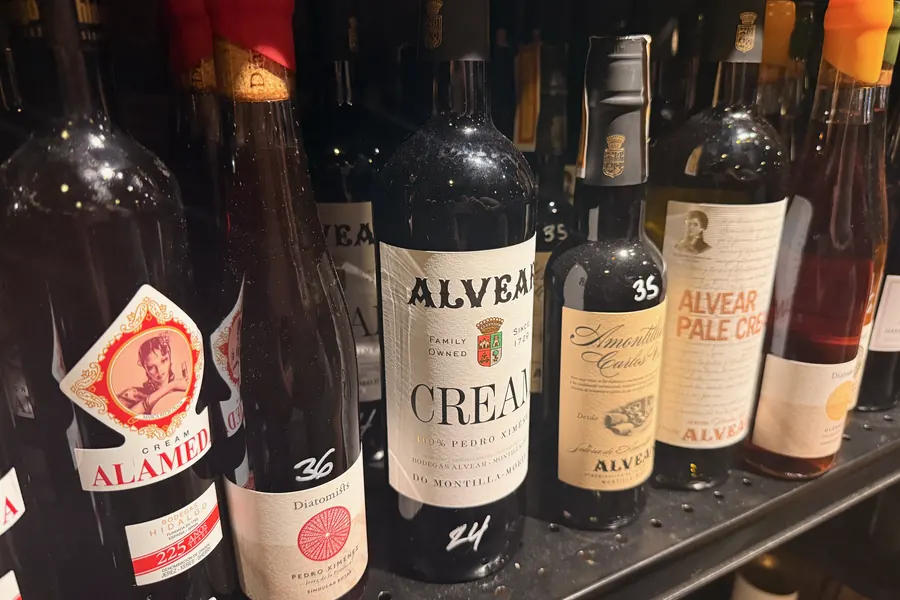
Montilla-Moriles
Sherry’s inland cousin near Córdoba, where the sun does the work the spirit does in Jerez.
Key grapes
Pedro Ximénez, Airén, Moscatel, Verdejo
Styles
Fino · Amontillado · Oloroso · Pedro Ximénez · White (young, dry)
More about Montilla-Moriles
Montilla-Moriles lies inland in Andalucía, south of Córdoba, and ages its wines in the same tiered solera system as Jerez, producing the same family of styles: Fino, Amontillado, Oloroso, and sweet Pedro Ximénez.
The difference is the grape and the heat. Pedro Ximénez, not Palomino, is the workhorse here, and it ripens so readily that most of these wines reach their strength naturally, without the fortifying spirit Jerez relies on. Much of the world’s great sweet PX is grown in these white albariza soils.
One name, a whole spectrum: bone-dry Fino to black-sweet Pedro Ximénez.
Key grapes
Palomino, Pedro Ximénez, Moscatel
Styles
Fino & Manzanilla · Amontillado · Oloroso · Pedro Ximénez
More about Jerez / Xérès / Sherry
A legendary wine-producing area with a history spanning almost 3,000 years, located near the Strait of Gibraltar in Andalucía: the portal between Europe and North Africa.
Its complex, unique wines are made through a fractional blending system known as a solera, in which younger wines slowly refresh tiers of older barrels over decades.
Volcanic-soil wines from vines the phylloxera plague never reached.
Key grapes
Listán Negro, Listán Blanco, Malvasía
Styles
Red · White · Sweet Malvasía
More about Canary Islands
Far off the Atlantic coast of Africa, the Canaries grow vines in black volcanic soils, often trained low against wind in hollows and terraces.
Because phylloxera never reached the islands, many vines grow on their own ungrafted roots, some of them very old. The wines are distinctive: savory, mineral reds from Listán Negro and saline whites and historic sweet Malvasía.
Portugal
Native grapes, old vines, and honest prices. Portugal never replanted with international
varieties, which makes it the peninsula's best territory for discovery. What follows is a
starting point, not the full list.
DOC
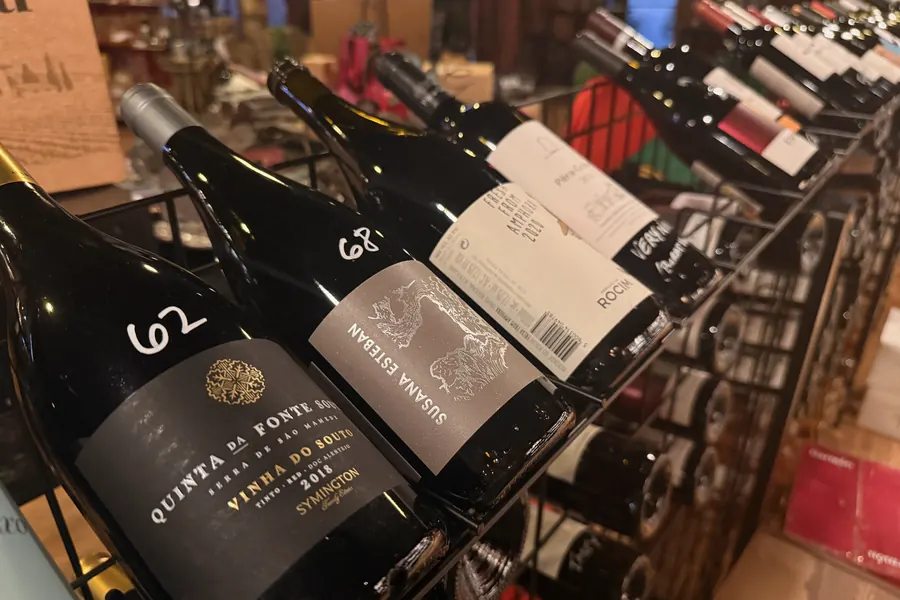
Douro
Port country’s steep terraces, now also making Portugal’s great dry table wines.
Key grapes
Touriga Nacional, Touriga Franca, Tinta Roriz
Styles
Red (table wine) · White · Porto (fortified, dessert)
More about Douro
Douro is the Portuguese name for the Duero River. The denomination of origin is the same as for Port wines; still table wines are referenced as Douro DOC to avoid confusion.
That distinction is the one worth carrying out of here: a bottle labeled Douro is a dry table wine, poured with the meal, while a bottle labeled Porto is the fortified, sweet version of the same valley, poured after it. Same terraces, same grapes, two different moments of the evening.
Many grapes are allowed in the region, but the three most important are Touriga Nacional, Touriga Franca, and Tinta Roriz (Spain’s Tempranillo).
Red (over 75%) · White · Rosado (rosé) · Sparkling
More about Dão
A Portuguese DOC located in Beira Alta, in the north of central Portugal, and the ancestral home of the Touriga Nacional grape.
Over 75% of production is dry red wine, alongside white, rosado (rosé), and sparkling. Granite soils and vineyards sheltered by mountains on three sides give the reds a mineral cut that sets them apart from the riper wines further south.
Touriga Nacional, Jaen, Alfrocheiro, Tinta Roriz, and Rufete lead the reds; Encruzado is the great white of the region, joined by Malvasia Fina and Bical. Wines from the Dão are in high demand thanks to steadily improving viticultural practices and limited quantities.
DOC
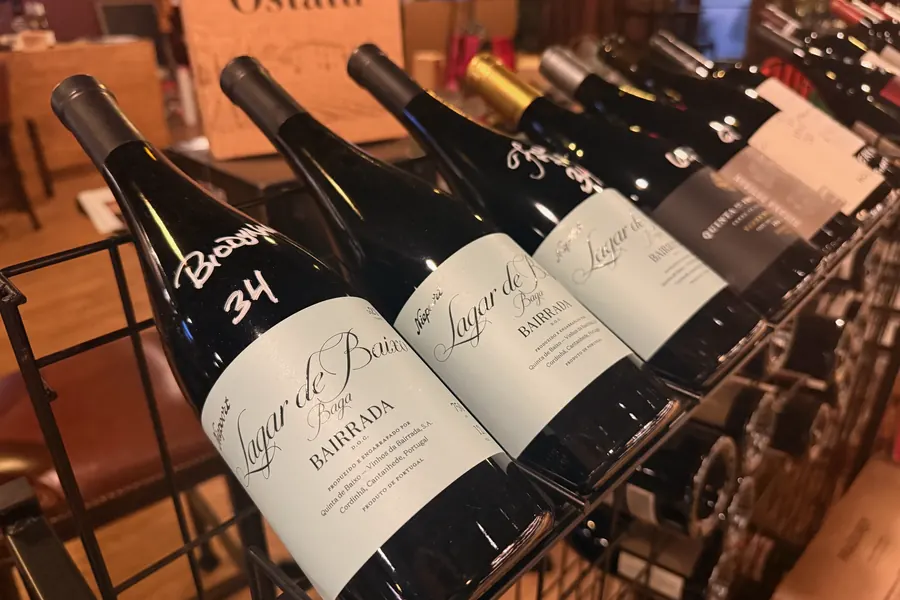
Bairrada
Firm, savory Baga reds and Portugal’s finest sparkling wine, made an hour from the sea.
Key grapes
Baga, Maria Gomes (Fernão Pires), Bical, Arinto, Touriga Nacional
Styles
Red · Sparkling (espumante) · White · Rosado (rosé)
More about Bairrada
Bairrada sits on heavy clay between Coimbra and the Atlantic, close enough to the ocean that the wines stay cool, tight, and high in acid. The name comes from barro, meaning clay.
Baga is the region’s difficult, rewarding red grape: firmly tannic and unyielding when young, then slowly turning savory, earthy, and remarkably long-lived. It is also the traditional partner to leitão, the region’s famous roast suckling pig.
Bairrada is equally Portugal’s serious home of sparkling wine, made by the traditional method from Maria Gomes, Bical, and Arinto, and worth knowing for anyone who has run out of things to say about Champagne.
DOC + VR
Alentejo
Sun-soaked, easy-drinking and full-bodied wines from Portugal’s rolling south.
Alentejo refers to both the broader Vinho Regional Alentejo (regional wine) and the Alentejo DOC located within it.
The region spans south-central Portugal across gentle slopes and hills. A significant share of the output is low-acid, higher-alcohol, easy-drinking wine. Most bottlings are based on local varieties, with a portion of international types.
DOC
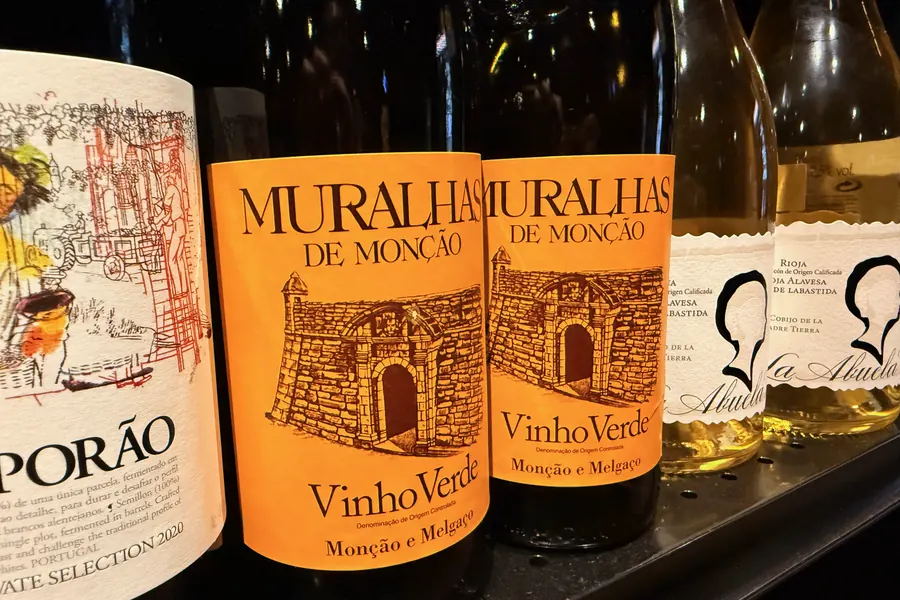
Vinho Verde
Light, crisp, faintly fizzy whites made for warm afternoons.
Key grapes
Alvarinho, Loureiro
Styles
White · Red · Rosado (rosé)
More about Vinho Verde
This DOC is known for young and fresh wines, hence the name Verde, meaning green. The region has a wet maritime climate reminiscent of its neighbor Galicia to the north, while bordering the Port and Douro region to the southeast.
The wines are pleasantly light and crisp, with hints of stone fruit, and are usually bottled with a touch of effervescence. Alvarinho and Loureiro are the leading varietals.
DOC Island
Madeira
Fortified island wine that is nearly indestructible; open a bottle, enjoy it for months.
Key grapes
Tinta Negra, Sercial, Verdelho, Bual, Malvasia
Styles
Fortified, dry through sweet
More about Madeira
A subtropical Atlantic island whose fortified wine is deliberately warmed and aged, a process that once happened by accident in ships’ holds crossing the tropics.
The result is one of the longest-lived wines on earth, running from bone dry (Sercial) to rich and sweet (Malvasia), with bright acidity holding it all together.
DO (Pico and others) Island
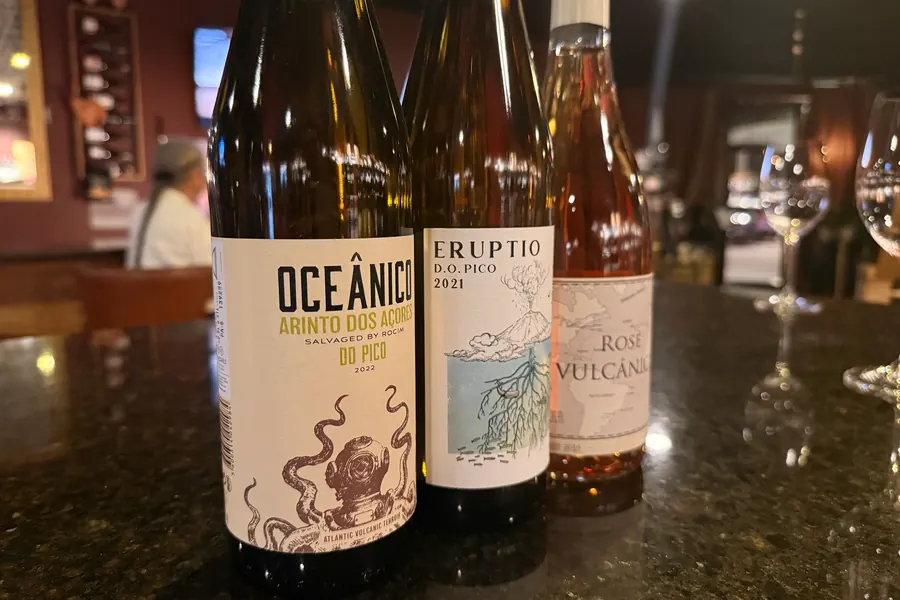
The Azores
Salty, electric Atlantic whites grown inside walls of black lava rock.
Key grapes
Verdelho, Arinto dos Açores, Terrantez do Pico
Styles
White · Fortified (historic)
More about The Azores
Nine volcanic islands in the middle of the Atlantic, where vines grow in tiny plots protected from wind and salt spray by walls of black basalt. The vineyard landscape of Pico is a UNESCO World Heritage site.
The whites are strikingly saline and fresh, a taste of the ocean around them, and production is small enough that every bottle feels like a find.
Fortified Wine
The peninsula's signature strength: wines fortified with grape spirit, then aged with
patience. Sherry from Jerez, Porto from the Douro, Madeira from its island, and Vermut,
the aperitivo Spain never stopped loving. Each has a home in the regions above and a
place of its own here.
Porto
From young Ruby to 20-year Tawny: fortified wine with real age behind it.
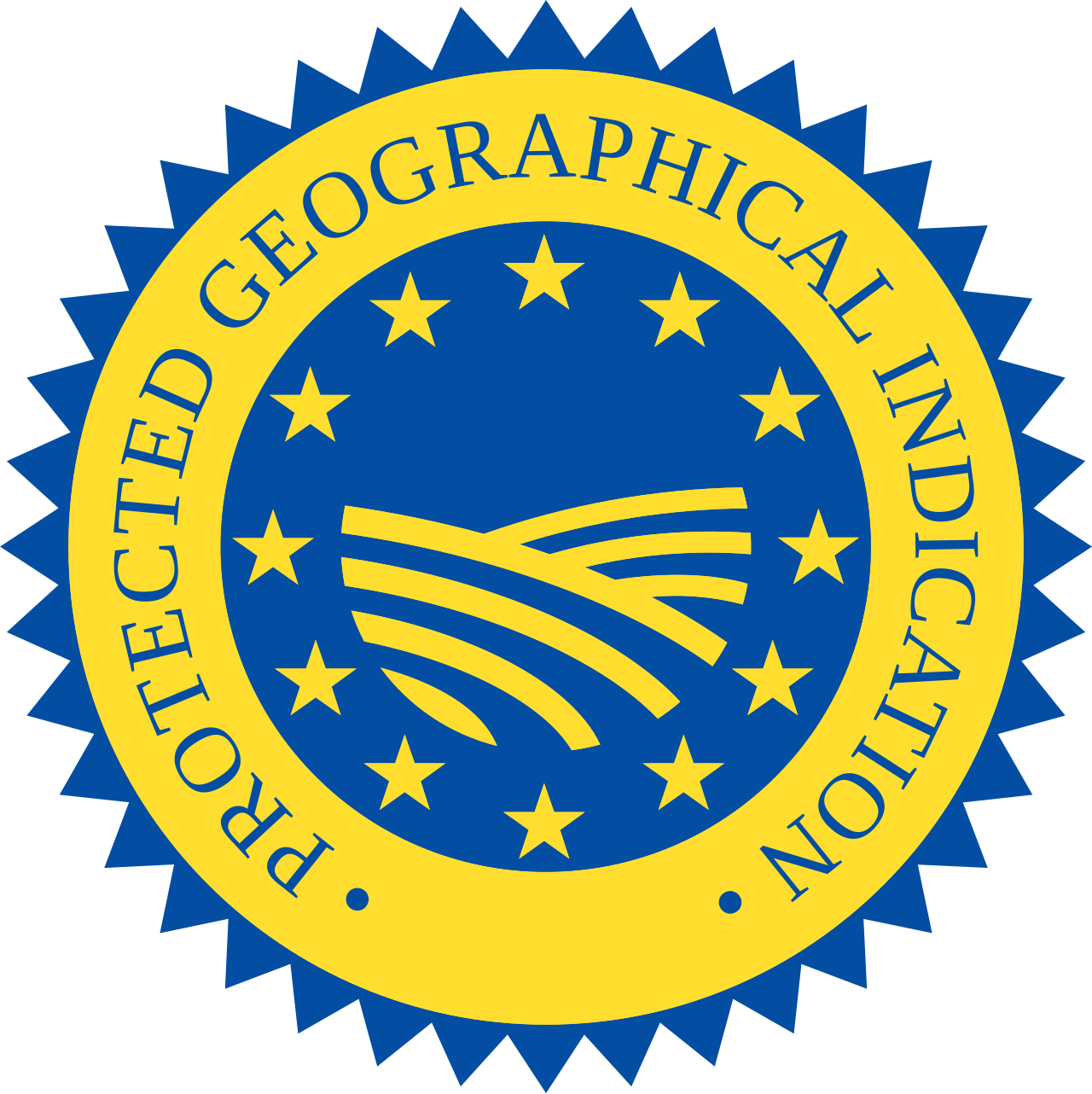
Two European certifications sit behind the letters you'll see on our shelves.
PDO
Protected Designation of Origin
For wines produced in specific regions using traditional methods. These wines must be grown, produced, and processed in their designated areas, preserving the unique qualities that come from the region’s climate and geography. In Spain you will see it as DO and DOCa; in Portugal as DOC.
PGI
Protected Geographical Indication
PGI wines also come from specific regions, but with more flexibility. Part of the wine’s production or preparation must take place in its designated region, though it is less strictly tied to terroir than PDO wine. In Spain: Vino de la Tierra; in Portugal: Vinho Regional.
Quick key: DO / DOCa (Spain) and DOC (Portugal) are PDO-level;
Vino de la Tierra (Spain) and Vinho Regional (Portugal) are PGI-level. DOCa, held only by
Rioja and Priorat, is Spain's highest tier.
One more word worth knowing: rosado. It is simply the Iberian name for
rosé, the same pink wine you already know.
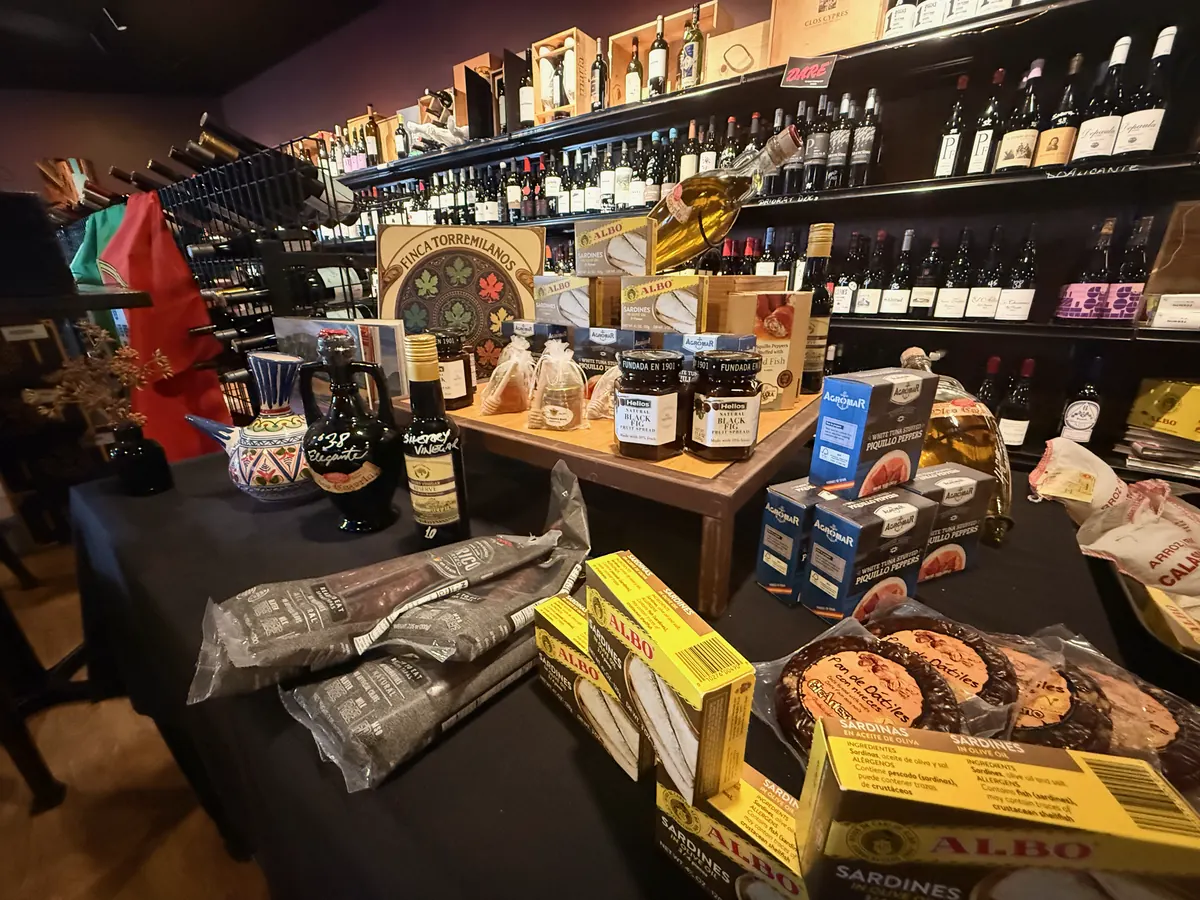
The Iberian Table
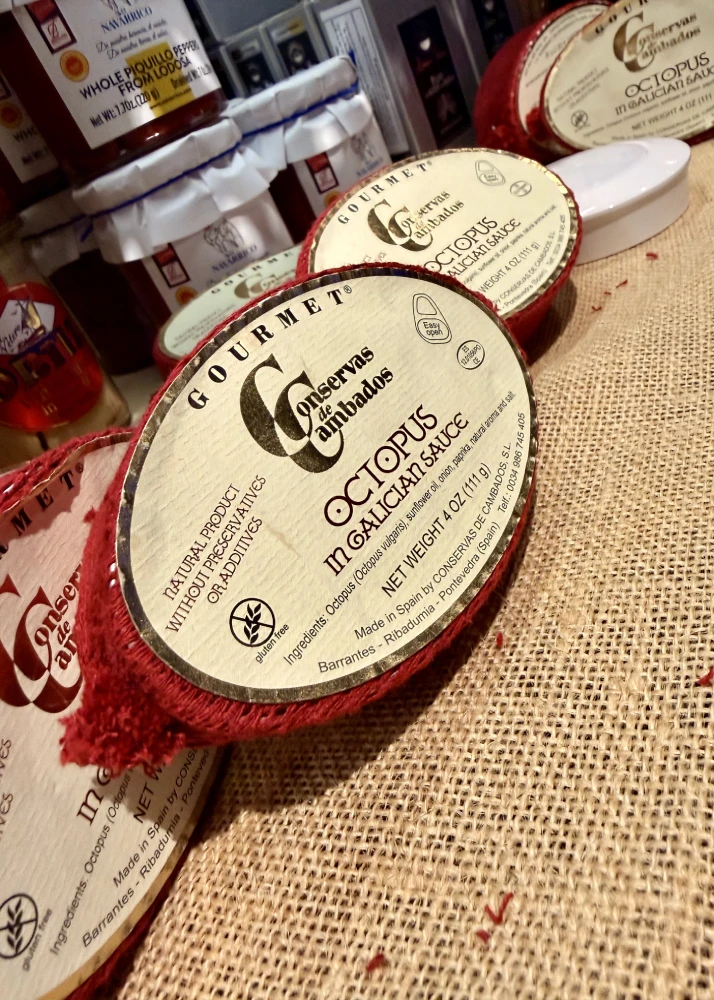
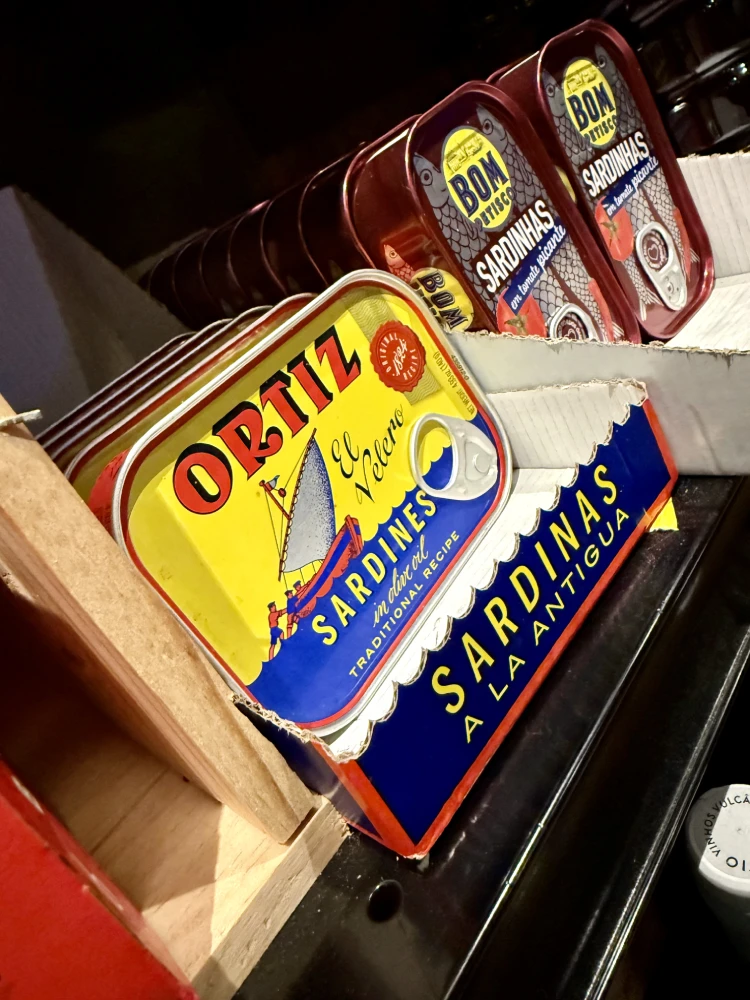
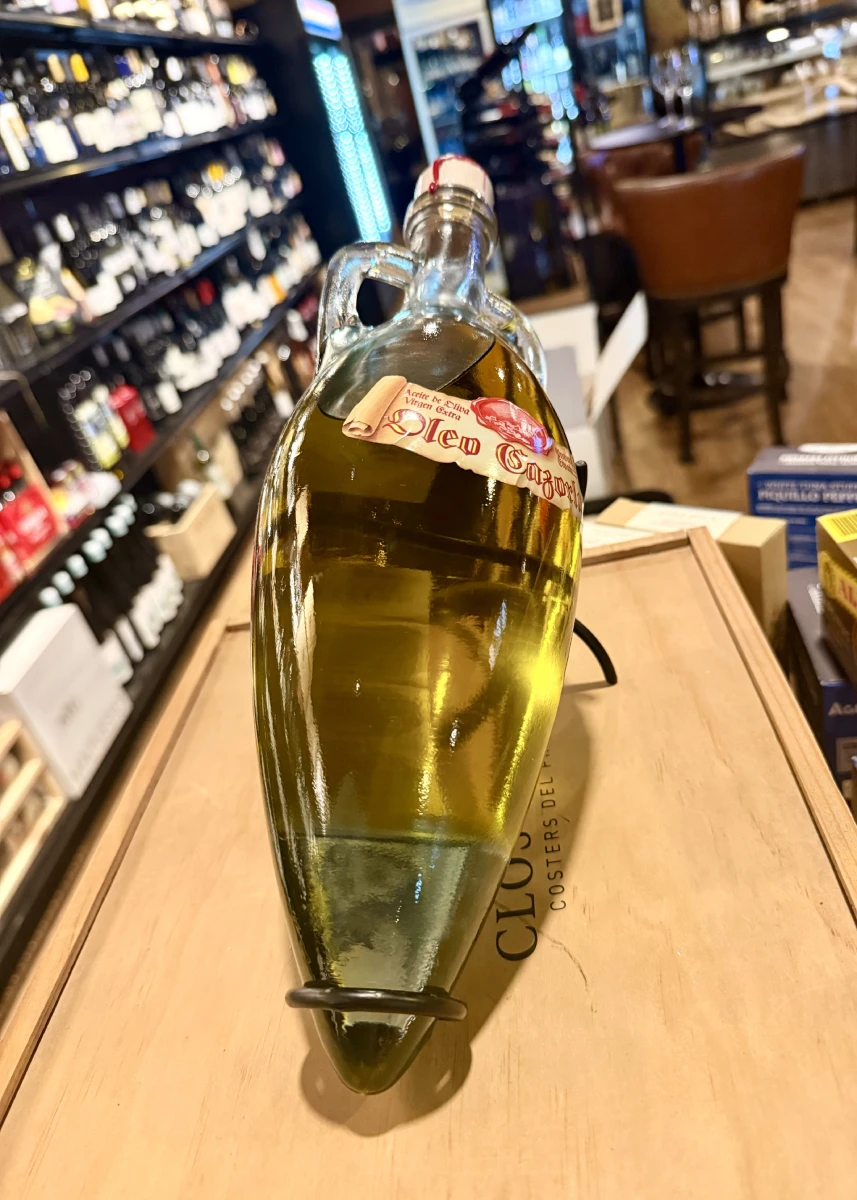
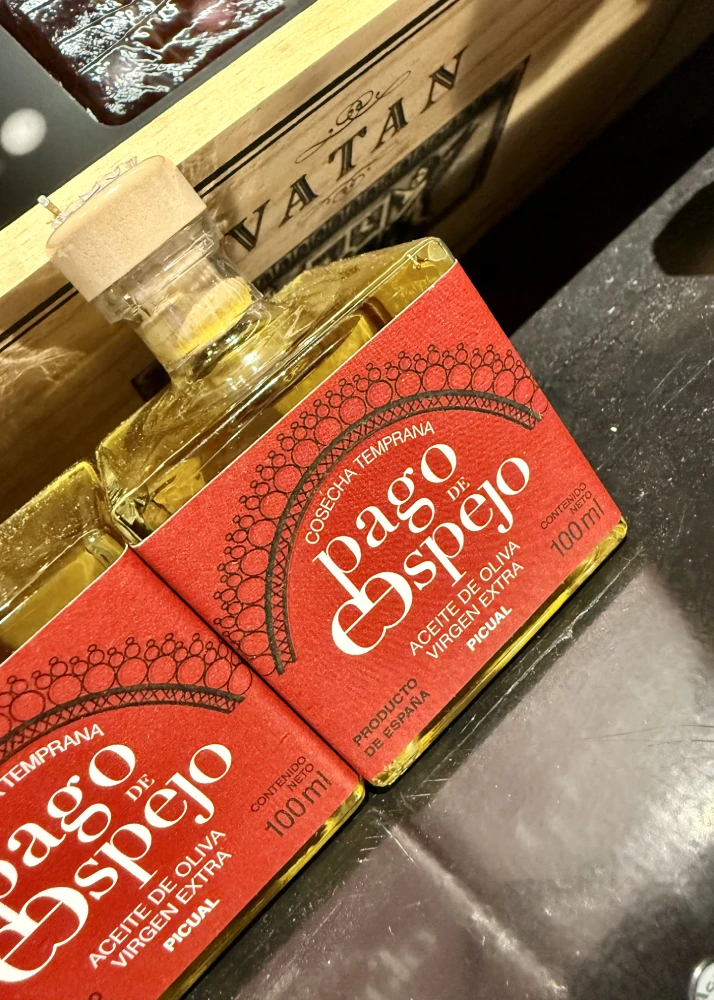
The foods the wines were made to sit beside: jamón, cheese, conservas, and olive oil.
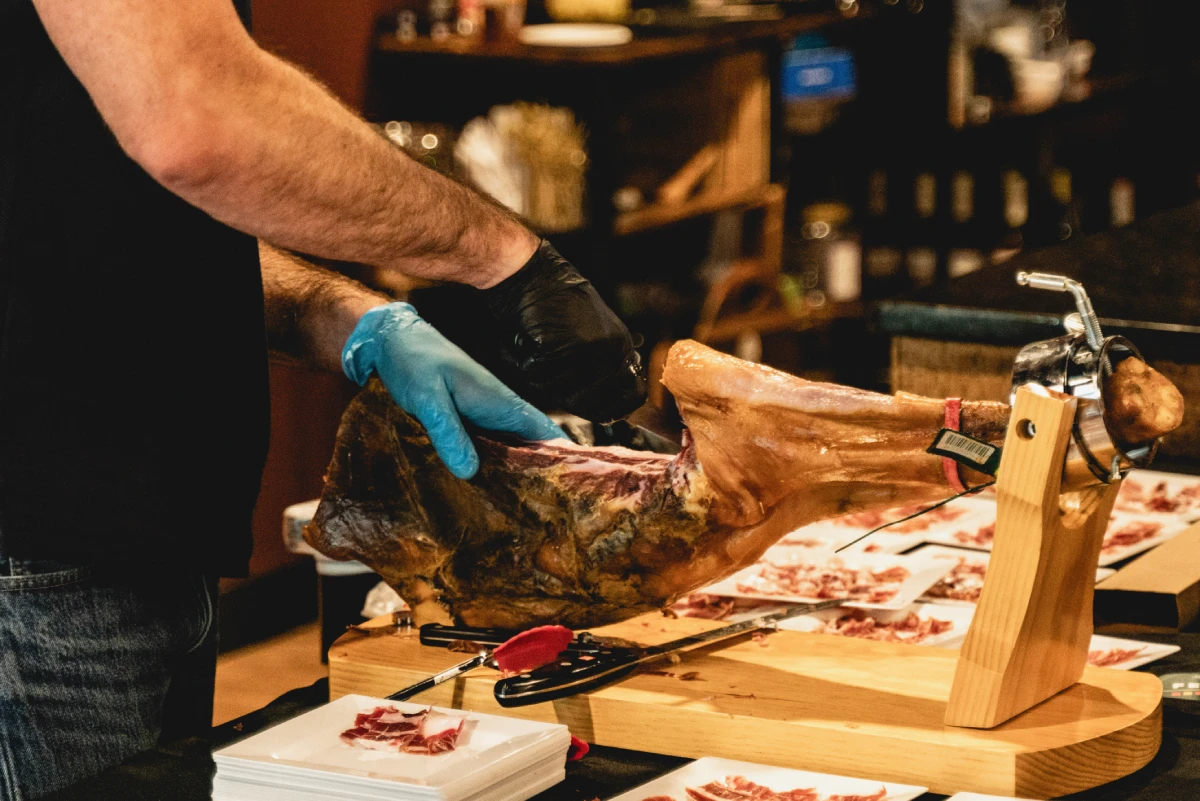
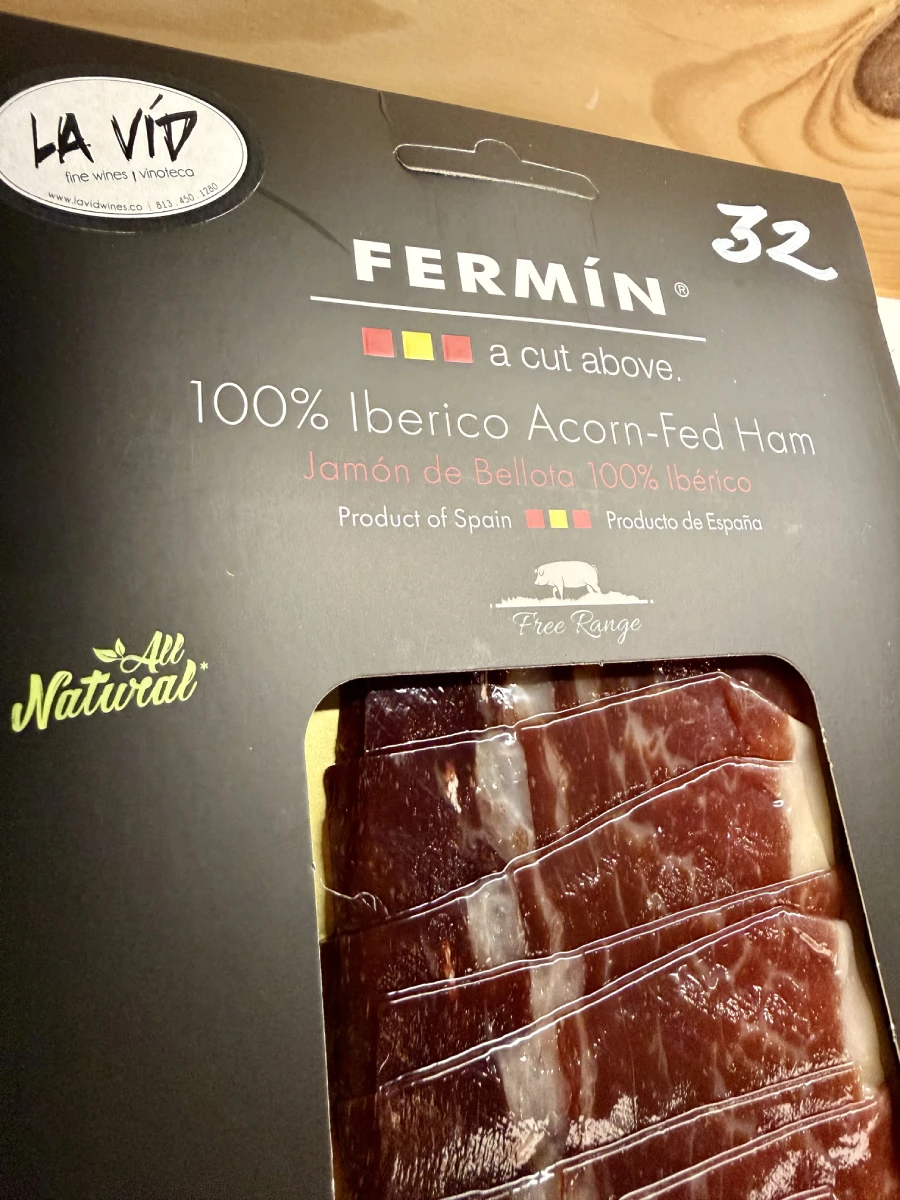
Jamón & Charcutería
Jamón Ibérico Pata Negra, sliced with respect. There is cured ham, and then there is this.
These are not all of them. La Vid carries wines from regions well beyond the
ones profiled here, and the shelf changes constantly. The best way to know what's open is to call or come in and ask Victor what he's excited about this week.