

Learn
Short answers to good questions
No jargon, no homework. A few minutes each, written the way Victor explains things across the bar. Open whatever makes you curious.
Spanish Wine
What Is Rioja? Spain’s, and one of the world’s, benchmark wine region, and why one word on a label carries so much weight.
Rioja is a place, not a grape: a river valley in northern Spain where Tempranillo has been grown and aged in oak for a century and a half. The region’s system of aging categories (Crianza, Reserva, Gran Reserva) tells you how long a wine rested before release.
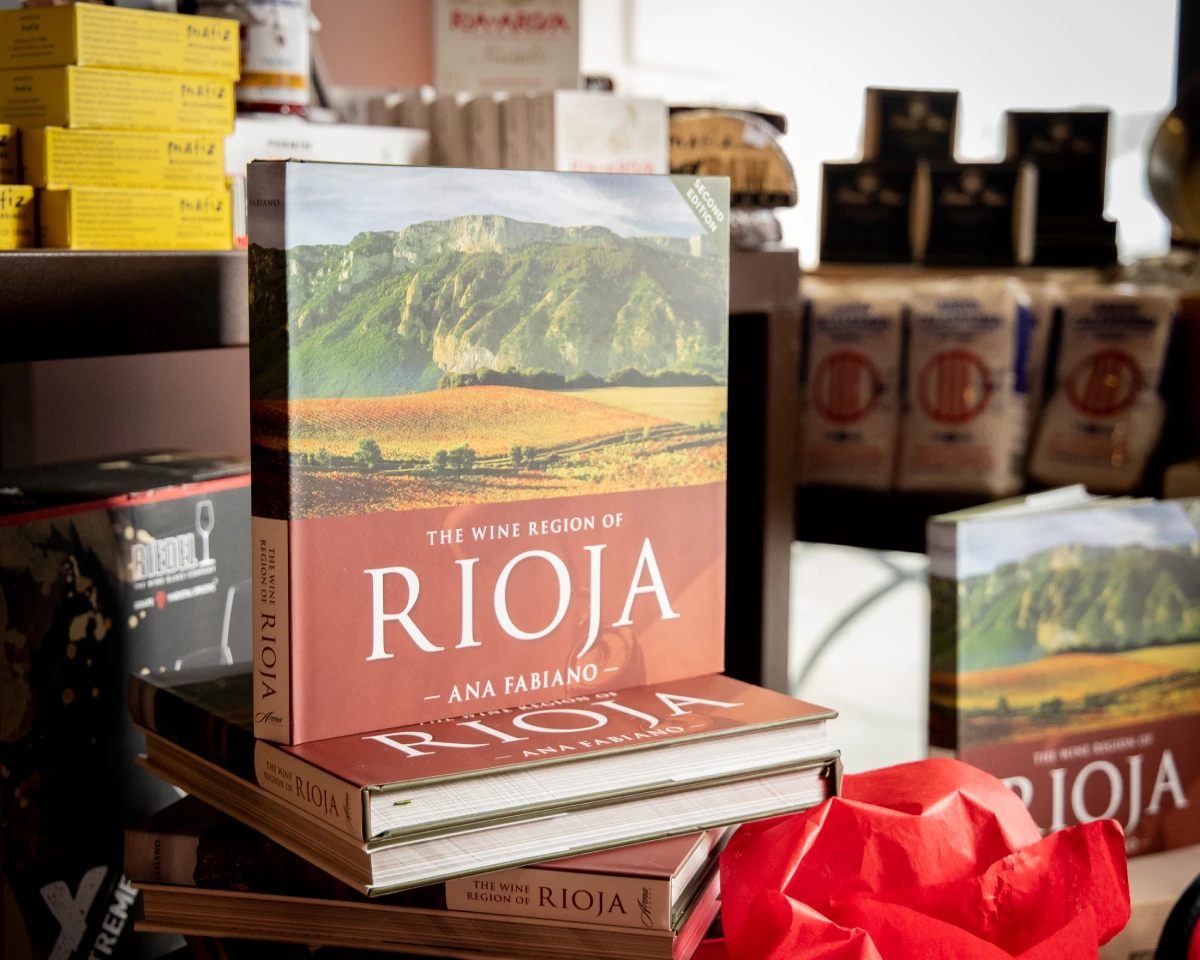
That makes Rioja one of the few regions in the world where the winery does the cellaring for you. A Gran Reserva arrives ready to drink, with the softness and complexity most wines only reach after years in your closet.
Rioja is not one landscape, though, and the label often tells you which part of it you are drinking. Rioja Alta, in the west and highest above sea level, is the classic: cooler, slower to ripen, and the source of most of the region’s long-aging, elegant, finely structured wines. Rioja Alavesa, tucked against the Sierra de Cantabria on the Basque side of the Ebro, grows on chalky limestone and gives the most perfumed, brightly fruited reds of the three, including much of the young carbonic-macerated wine drunk locally.
Rioja Oriental, in the warm, dry southeast and known until 2018 as Rioja Baja, ripens fastest and fullest. It is Garnacha country, and it supplies the ripeness and body that traditional blends lean on. Historically it was blending fruit; increasingly it is bottled on its own and worth seeking out.
Victor's take “If you only learn one Spanish wine word, make it Rioja. Everything else follows from there.”
What Is Tempranillo? Not even the king of Spain would export this grape.
Tempranillo takes its name from temprano, meaning early, because it ripens ahead of most red grapes. On its own it gives cherry fruit, leather, and dried herbs; with time in American or French oak it picks up vanilla, tobacco, and spice.
It wears different names around Spain (Tinta del País, Cencibel, Tinto Fino, Tinta de Toro) but it is the backbone of Rioja and much of the country’s serious red wine. Cross into Portugal and it becomes Tinta Roriz, one of the pillars of the Douro.
What it does not do is travel. Tempranillo is planted in enormous quantity at home and almost nowhere else of consequence; unlike Cabernet or Syrah, it never became a citizen of the world. Spain kept it, and the grape stayed Spanish.
Victor's take “It’s a grape of versatility that could be more ethereal without giving up structure and body.”
Crianza vs. Reserva vs. Gran Reserva Three words on a Rioja label that tell you exactly how long the wine slept.
These are legal aging categories, not marketing. For red Rioja: Crianza rests at least two years (one in oak barrels), Reserva at least three (one in oak), and Gran Reserva at least five (two in oak and two in bottle) before it can be sold.
More age means softer tannins, quieter fruit, and more of the savory, autumnal notes that make old Rioja famous. None of the three is “better”; they are different moods of the same wine.
Victor's take “Crianza for any time, Reserva with a memorable meal, Gran Reserva for special occasions.”
Spanish Wine Beyond Rioja A short map of the regions worth knowing when you’re ready to explore past the famous name.
Spain has more land under vine than any country on earth, and Rioja is only the beginning. Each region on our shelf earned its place bottle by bottle. Ask what’s open and we’ll pour you the argument.
Victor's take “The second Spanish region you fall for says more about your palate than the first.”
What Is Txakolí? The Basque Country’s sharp, salty, faintly fizzy white, and the three denominations that make it.
Txakolí is the everyday white of the Basque coast: pale, low in alcohol, high in acid, bone dry, and sometimes carrying a faint prickle of carbon dioxide. It is poured from a height into a wide, flat tumbler to knock that prickle awake, which is theater and technique at the same time.
The grape is Hondarrabi Zuri, thick-skinned enough to survive one of the wettest corners of Spain, and often trained high on trellises so the Atlantic wind can dry the fruit. Its dark-skinned counterpart, Hondarrabi Beltza, makes the pink txakoli gorri and a little red.
Three separate denominations share the name, and they are genuinely different wines. Getariako Txakolina, on the coast at Getaria, is the original and the most famous: the saltiest and most bracing, made within sight of the water. Bizkaiko Txakolina covers the province around Bilbao, a scatter of small growers inland from the coast, and produces the widest range of styles, including barrel-aged and lees-aged bottlings that reward keeping. Arabako Txakolina, in the Ayala valley of Álava, sits furthest inland and south, sheltered from the sea, and makes the ripest, roundest, most orchard-fruited of the three.
All of it exists for the same reason: a plate of pintxos, an anchovy, a grilled fish, and no particular hurry.
Victor's take “Txakolí is what the Atlantic tastes like if you put it in a glass.”
Subregions: The Names Inside the Names The more specific the label is about the source of the grapes, the more likely it is to indicate higher quality.
The big region names get you in the door. The subregion is where the wine actually comes from, and once you know a few, labels start reading like addresses instead of brands.
Rioja divides into three. Rioja Alta, high and cool in the west, makes the classic long-aging reds. Rioja Alavesa, on chalky limestone under the Sierra de Cantabria, makes the most perfumed and brightly fruited. Rioja Oriental, warm and dry in the southeast (called Rioja Baja until 2018), is Garnacha country and gives the ripest, fullest wines.
The Basque Country divides into three as well, each its own denomination. Getariako Txakolina, on the coast, is the saltiest and sharpest. Bizkaiko Txakolina, inland around Bilbao, is the most varied and the most likely to reward age. Arabako Txakolina, sheltered in the Ayala valley of Álava, is the ripest and roundest.
Rías Baixas has five: Val do Salnés, the coolest and most coastal, is the heart of Albariño; Condado do Tea and O Rosal, along the Miño river on the Portuguese border, are warmer and rounder; Ribeira do Ulla and Soutomaior are smaller and newer. Catalonia works differently again, sorting itself by soil and altitude rather than by river: Priorat’s black slate, Montsant’s mixed hills wrapped around it, and Penedès stepping down from the mountains to the sea.
None of this is homework. It is simply the difference between liking a wine and knowing where to find the next one like it.
Victor's take “Learn the subregion and you stop buying labels; you start buying places.”
Portuguese Wine & Porto
Why Portuguese Wine? Native grapes, old vines, honest prices: Europe’s best-kept wine secret, poorly kept.
Portugal never replanted its vineyards with the international grapes everyone else did, so it still makes wine from varieties most drinkers have never heard of, like Touriga Nacional, Baga, and Encruzado, often from old vines, at prices that would be impossible in France.
The Douro Valley, famous for Porto, now makes some of the peninsula’s most serious dry reds from the same steep terraced vineyards. Worth keeping straight: wines labeled Douro are dry table wines for the meal, while wines labeled Porto are the sweet, fortified dessert version of the same valley.
Victor's take “Portugal is where I send people who think they’ve tasted everything.”
What Is Porto? Portugal’s great fortified dessert wine: sweet, strong, and made nowhere else on earth.
Porto is wine from the Douro Valley whose fermentation is stopped partway with grape spirit, leaving natural sweetness and around 20% alcohol. It then ages, briefly for Ruby and patiently for Tawny, in the lodges of Vila Nova de Gaia, across the river from the city of Porto.
It is a wine for after dinner, for cheese, for conversation that isn’t in a hurry.
Victor's take “People think they don’t like Port wine because they’ve only had bad Port.”
Douro or Porto? Same Valley, Two Wines One label means a dry wine for the table; the other means a fortified one for after it.
This is the single most useful thing to know about Portuguese wine, and it confuses almost everyone the first time. The Douro Valley makes two completely different products from the same terraces and largely the same grapes, and the only reliable signal is the word on the label.
A bottle that says Douro is a dry table wine. It is fermented dry, it is not sweet, it sits around 13 or 14% alcohol, and it belongs on the table with the meal, exactly where you would put a Rioja or a Ribera.
A bottle labeled as Porto (or Port wine) is a dessert wine. Its fermentation is deliberately halted partway with grape spirit, which leaves the unfermented sugar in the glass and lifts it to around 20% alcohol. It comes out after the plates are cleared, next to cheese, chocolate, or nothing at all.
The valley itself has three subregions, running upriver and getting hotter and drier as you go: Baixo Corgo nearest the coast, the cooler and wettest end; Cima Corgo in the middle, the classic heart of Port production around Pinhão; and Douro Superior out east toward the Spanish border, the hottest, emptiest, and most recently planted.
Victor's take “Douro with dinner, Porto after it. Get that straight and the rest is easy.”
Ruby vs. LBV vs. Tawny Three styles of Porto, three completely different experiences in the glass.
Ruby is young and dark: all fresh black fruit. Late Bottled Vintage (LBV) is a single year’s wine given extra time in large vats: deeper, rounder, a vintage character without the vintage price. Tawny ages for years in small barrels, slowly turning amber and trading fruit for caramel, fig, and walnut.
Same grapes, same valley; the difference is entirely in how, and how long, each one ages.
Victor's take “Start with Ruby, graduate to LBV, and retire happily into Tawny.”
What “10-Year” and “20-Year” Tawny Really Mean The number on an aged Tawny is a style, an average, and a promise.
The age on a Tawny label is the average character of the blend, judged by the house’s tasters. A 20-Year contains wines older and younger, married to taste like twenty years of barrel age. It is a promise of style: amber color, silky texture, flavors of toffee, dried fruit, and roasted nuts.
Between a 10 and a 20, the difference is real: more polish, more perfume, a longer finish. Taste them side by side once and you will never forget it.
Victor's take “A 20-Year Tawny after dinner is the cheapest luxury I know.”
Sherry
What Is Sherry? Not your grandmother’s cream sherry: the driest, unique, most rewarding wine in Spain. Misunderstood and underappreciated.
Sherry comes only from the towns around Jerez in Andalusia, aged in tiers of old barrels where young wine is blended with older wine for decades: the solera system. Most of it is bone dry: Fino and Manzanilla, pale and saline; Amontillado and Oloroso, amber and nutty.
The sweet styles, including Pedro Ximénez, sit at the far end of a long spectrum that most drinkers have never explored.
Victor's take “A cold Fino with jamón will rearrange your ideas about wine.”
What Is Pedro Ximénez? Grapes dried in the Andalusian sun make the blackest, sweetest wine in the world.
Pedro Ximénez, PX for short, is both a grape and a wine. The grapes are laid out under the southern sun until they are nearly raisins, then pressed into a wine that pours black, tastes of fig, date, and molasses, and coats the glass.
Pour it over vanilla ice cream, or set it next to blue cheese, and you understand why it survived four centuries.
Victor's take “PX is dessert. The plate is optional.”
The Table
What Is Jamón Ibérico? Why one ham is carved in thin ribbons and treated like great wine.
Jamón Ibérico comes from the ibérico pig, a breed native to the Iberian Peninsula, cured for years rather than months. The finest grade, Bellota (aka Pata Negra), from acorn-foraging pigs that roam the oak pastures of the dehesa, develops a savouriness and depth no other cured meat reaches.
The fat melts at room temperature. That is not a flaw; it is the entire point. Sliced thin, it melts on the palate like the ham equivalent of a great old wine.
Victor's take “Serrano is ham. Ibérico is geography, breed, and patience you can taste.”
What Are Conservas? In Spain and Portugal, tinned seafood is a craft, and the tin is a cellar.
Conservas are seafood preserved at the peak of the season (sardines, mussels, cockles), packed by hand in olive oil. In Galicia and along the Portuguese coast, the best canneries are named and followed like wineries.
Far from a compromise, the tin lets the seafood mature; good sardines actually improve for years. Open a tin, pour a glass, and you have the most honest meal in the shop.
Victor's take “A good tin of sardines costs more than a bad one for the same reason good wine does.”
Why Are Good Sardines Prized? Season, size, handling, time: what separates a great tin from a supermarket one.
Great sardines are caught in their fattest months, packed by hand the same day, and given time; the oil and the fish slowly become one thing. Some houses even vintage-date their tins.
Once you taste the difference, the supermarket tin becomes a different product entirely.
Victor's take “Treat a good tin like a good bottle: give it an occasion.”
What Makes Olive Oil Good? Fresh fruit, fast pressing, honest labels: extra virgin is simpler and rarer than you think.
Real extra virgin olive oil is fresh olive juice: picked at the right moment, pressed within hours, stored away from light and heat. It should taste alive: grassy, peppery, a little bitter. Those aren’t defects; they’re the antioxidants.
Most of what sits on supermarket shelves is old, over-refined, or simply counterfeit. The fix is simple: buy from people who can tell you where it came from and when.
Victor's take “Real extra virgin is the one upgrade you taste every single day.”
What Is Valencian Paella? A rice dish before it is a seafood dish. The tradition behind our Paella Nights.
Paella was born in the fields around Valencia as a farmer’s lunch: rice, rabbit, chicken, beans, saffron, cooked over a fire in the wide shallow pan that gives the dish its name. Seafood versions came later, on the coast.
What defines paella is not shrimp. It is the rice: a thin layer, never stirred, drinking in the broth until the bottom toasts into the prized crust called socarrat.
Victor's take “If someone stirs the rice, leave quietly.”
Tasting
How to Taste Wine Sight, nose, palate, conclusion: the simple method behind every La Vid tasting.
Tasting is looking, smelling, sipping, and then, the step most people skip, deciding what you think. Tilt the glass against something white and note the color. Smell before you swirl, then after. Take a sip and let it reach every part of your mouth. Then conclude: what is it? Do you like it? Why?
That last question is the whole game. There are no wrong answers, only unexamined ones. The vocabulary comes with practice; the noticing starts tonight.
Victor's take “You already have a palate. Tastings just teach you to listen to it.”
The rest is poured, not written. Come to a tasting or call La Vid and ask Victor directly.